
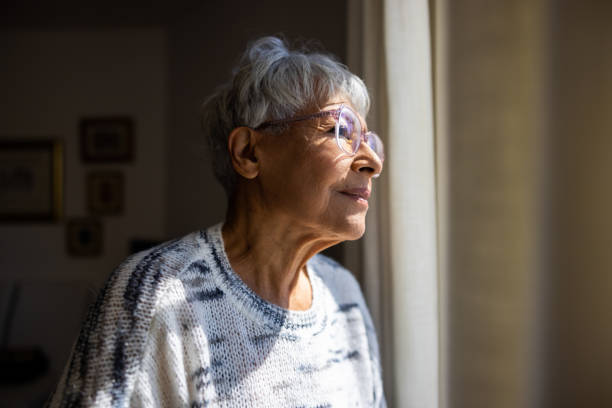
Early memory loss is often one of the first noticeable signs of cognitive decline, and it can significantly affect how seniors communicate and interact with others. While it may begin with small lapses—such as forgetting names, misplacing items, or struggling to find the right words—these changes can lead to frustration, anxiety, and withdrawal if not addressed with care.
For caregivers, family members, and healthcare professionals, communication becomes more than just exchanging information. It becomes a vital tool for preserving dignity, maintaining emotional connection, and reducing confusion. Supporting seniors with early memory loss requires patience, empathy, and a willingness to adapt how we speak and listen.
Contents
- 1 Creating a Calm and Supportive Environment
- 2 Using Clear and Simple Language
- 3 Practicing Active Listening
- 4 Avoiding Correction and Confrontation
- 5 Using Nonverbal Communication Effectively
- 6 Encouraging Independence and Participation
- 7 Being Patient with Repetition
- 8 Adapting as Needs Change
- 9 Strengthening Emotional Connection Through Communication
Creating a Calm and Supportive Environment
Before even speaking, the environment plays a crucial role in effective communication. Seniors experiencing memory challenges can become easily overwhelmed by noise, clutter, or multiple conversations happening at once.
A calm and quiet setting helps them focus better and reduces stress. Turning off background distractions like television or loud music can make a meaningful difference. Sitting at eye level and maintaining gentle eye contact also helps establish a sense of safety and attention.
Consistency is equally important. Familiar surroundings and routines can make communication smoother because the senior feels more grounded and less anxious.
Using Clear and Simple Language
One of the most effective communication techniques is simplifying language without sounding patronizing. Short, clear sentences are easier to process than long or complex explanations.
Instead of asking multi-step questions, break them down into manageable parts. For example, rather than saying, “What would you like to wear today for your appointment later this afternoon?” you might say, “Would you like to wear the blue shirt or the white one?”
Speaking slowly and clearly gives the individual time to process what is being said. It is equally important to allow pauses and avoid rushing them to respond. Silence, when used respectfully, can be a powerful part of communication.
Practicing Active Listening
Communication is not only about speaking—it is equally about listening. Seniors with early memory loss may struggle to express themselves, but that does not mean their thoughts or feelings are any less important.
Active listening involves giving full attention, nodding, and offering verbal affirmations such as “I understand” or “Take your time.” Even if their words are fragmented or repetitive, showing genuine interest encourages them to keep engaging.
If something is unclear, it is better to gently ask for clarification rather than pretending to understand. This builds trust and prevents miscommunication.
Avoiding Correction and Confrontation
It can be tempting to correct a senior when they say something inaccurate or forgetful, but frequent correction may lead to embarrassment or defensiveness. Instead of focusing on what is wrong, it is often more helpful to focus on how they feel.
For example, if a senior insists on a mistaken detail, redirecting the conversation or acknowledging their emotions can be more effective than correcting them outright. Saying something like, “That sounds important to you,” helps validate their experience without causing distress.
Maintaining a positive tone and avoiding arguments preserves the relationship and keeps communication open.
Using Nonverbal Communication Effectively
Body language, facial expressions, and tone of voice often communicate more than words alone. A warm smile, a reassuring touch, or a calm tone can provide comfort and understanding even when verbal communication becomes difficult.
Gestures can also help reinforce meaning. Pointing to objects, demonstrating actions, or using visual cues can support comprehension, especially when words are not enough.
Consistency between verbal and nonverbal signals is essential. Mixed signals can create confusion and increase anxiety.
Encouraging Independence and Participation

Even with early memory loss, many seniors are still capable of making decisions and participating in conversations. Encouraging independence fosters confidence and a sense of control.
Offer choices instead of directives, and involve them in everyday discussions. This could be as simple as asking their opinion on a meal or involving them in planning daily activities.
When seniors feel heard and included, they are more likely to remain engaged and communicative.
Being Patient with Repetition
Repetition is a common aspect of early memory loss. Seniors may ask the same question multiple times or repeat stories without realizing it.
While this can be challenging, responding with patience rather than frustration is crucial. Each repeated question can feel new to them, and responding calmly helps maintain their sense of security.
Using gentle reminders or visual aids—such as notes or calendars—can also help reduce repetitive questions over time.
Adapting as Needs Change
Memory loss is not static, and communication strategies may need to evolve as the condition progresses. What works today may need adjustment in the future.
Remaining flexible and observant allows caregivers to respond effectively to changing needs. Regularly evaluating what communication methods are most successful ensures continued support and connection.
Seeking guidance from healthcare professionals or support groups can also provide valuable insights and new strategies.
Strengthening Emotional Connection Through Communication
At its core, communication with seniors experiencing early memory loss is about connection rather than perfection. Words may become harder to find, but emotions remain deeply felt.
Simple gestures of kindness, shared laughter, and meaningful presence can bridge communication gaps. Even when memory fades, the feeling of being respected, valued, and loved endures.
By approaching communication with compassion, patience, and adaptability, caregivers can create an environment where seniors feel safe, understood, and supported every day.