
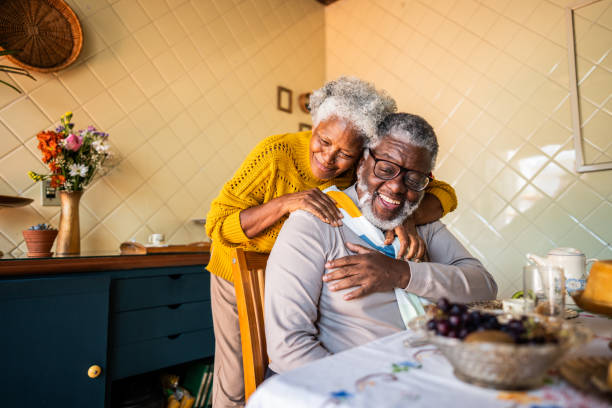
Aging is often discussed in terms of physical health, mobility, and medical care, but its emotional dimension deserves equal attention. As individuals grow older, changes in lifestyle, relationships, and independence can lead to feelings of loneliness and isolation. These emotional challenges are not simply a natural part of aging—they are critical issues that can significantly impact a senior’s overall well-being. Addressing them requires awareness, empathy, and proactive strategies that foster meaningful connection and purpose.
Contents
- 1 Why Loneliness and Isolation Increase with Age
- 2 The Emotional and Physical Impact of Isolation
- 3 The Importance of Meaningful Social Connections
- 4 Strategies to Reduce Loneliness in Older Adults
- 5 The Role of Caregivers and Families
- 6 Creating Supportive Environments for Emotional Well-Being
- 7 Moving Forward with Compassion and Awareness
Why Loneliness and Isolation Increase with Age
Loneliness among older adults is often the result of multiple life transitions occurring simultaneously. Retirement, for example, can remove the daily structure and social interaction that work once provided. The loss of a spouse, close friends, or siblings further reduces a person’s support network, leaving emotional gaps that are difficult to fill.
In addition, physical limitations or chronic health conditions can make it harder for seniors to leave their homes or participate in social activities. Even something as simple as no longer being able to drive can significantly reduce independence and access to social opportunities. Over time, these barriers can lead to withdrawal, reinforcing a cycle of isolation that becomes increasingly difficult to break.
The Emotional and Physical Impact of Isolation
Loneliness is not merely a feeling—it has measurable effects on both mental and physical health. Studies have shown that prolonged social isolation can increase the risk of depression, anxiety, and cognitive decline. Seniors who feel disconnected are also more likely to experience sleep disturbances and reduced motivation for self-care.
From a physical standpoint, isolation has been linked to higher risks of heart disease, weakened immune function, and even premature mortality. The absence of regular human interaction can reduce emotional resilience, making it harder for individuals to cope with stress and life changes. Recognizing loneliness as a serious health concern is the first step toward addressing it effectively.
The Importance of Meaningful Social Connections
Not all social interactions are equally beneficial. While casual conversations can provide temporary relief, what truly combats loneliness is meaningful connection. Relationships that offer emotional support, shared experiences, and a sense of belonging play a crucial role in maintaining mental health.
Family members, friends, caregivers, and community groups all contribute to this network of connection. Even small, consistent interactions—such as regular phone calls or shared meals—can provide a sense of stability and reassurance. For many seniors, feeling heard and valued is more important than the number of interactions they have.
Strategies to Reduce Loneliness in Older Adults
Addressing loneliness requires a combination of personal initiative and external support. Encouraging seniors to engage in social activities tailored to their interests is an effective starting point. This might include joining hobby groups, participating in community events, or attending faith-based gatherings.
Technology can also play a valuable role. Video calls, messaging apps, and social media platforms allow older adults to stay connected with loved ones, even when physical distance is a barrier. With proper guidance and support, many seniors can become comfortable using these tools, opening new avenues for communication.
Another important strategy is fostering intergenerational connections. Programs that bring together younger and older individuals can create mutually beneficial relationships, offering companionship while bridging generational gaps. These interactions often provide renewed energy and perspective for seniors.
The Role of Caregivers and Families

Caregivers and family members are in a unique position to recognize early signs of loneliness. Changes in mood, withdrawal from activities, or a lack of interest in previously enjoyed hobbies can all indicate emotional distress. Addressing these signs early can prevent more serious mental health challenges from developing.
Regular communication is essential. Taking time to listen, ask questions, and involve seniors in conversations helps them feel included and valued. In some cases, professional support such as counseling or therapy may be beneficial, particularly if loneliness is accompanied by depression or anxiety.
Families can also assist by helping seniors access transportation, community programs, or social services that encourage engagement. Sometimes, removing logistical barriers is all it takes to reconnect an individual with the world around them.
Creating Supportive Environments for Emotional Well-Being
Communities and care facilities have a significant role to play in reducing isolation among older adults. Designing environments that encourage interaction—such as shared dining spaces, activity centers, and group programs—can naturally foster connection.
In-home care services can also support emotional well-being by providing companionship alongside practical assistance. Care professionals who build genuine relationships with seniors can help alleviate feelings of loneliness while promoting independence and dignity.
Additionally, creating a culture that values aging and respects the contributions of older adults can shift societal attitudes. When seniors feel appreciated and included, they are more likely to remain engaged and connected.
Moving Forward with Compassion and Awareness
Combating loneliness and isolation in aging populations requires a collective effort. It is not enough to focus solely on physical health; emotional well-being must be treated as an essential component of quality of life. By recognizing the challenges seniors face and implementing thoughtful strategies, families, caregivers, and communities can make a meaningful difference.
Aging should not be defined by disconnection. With the right support systems in place, it can instead be a stage of life rich with relationships, purpose, and emotional fulfillment.