
Recovering or managing a health condition at home can provide patients with comfort, familiarity, and a greater sense of independence. However, some medical needs require more than the assistance family members or non-medical caregivers can safely provide. When a patient needs ongoing clinical monitoring, specialized treatments, or professional nursing support, skilled nursing at home may become an important part of their care.
Recognizing the signs that a patient needs skilled nursing can help families seek appropriate support before a health concern becomes more serious. Skilled nurses can provide physician-directed care in the home while also helping patients and families better understand and manage their health needs.
Contents
- 1 Frequent Changes in Health or Symptoms
- 2 Difficulty Managing Multiple Medications
- 3 Wounds That Require Professional Care
- 4 Recent Hospitalization or Surgery
- 5 Chronic Conditions Are Becoming Harder to Manage
- 6 Medical Treatments Require Skilled Assistance
- 7 The Patient or Family Is Struggling With the Care Plan
- 8 Knowing When to Ask for Help
Frequent Changes in Health or Symptoms
One of the clearest signs that skilled nursing may be needed is a noticeable or recurring change in a patient’s condition. New symptoms, worsening pain, changes in breathing, unusual weakness, or fluctuations in vital signs may require professional assessment.
A skilled nurse can monitor the patient’s condition, evaluate symptoms, and communicate significant changes to the physician or other members of the healthcare team. This level of observation can be particularly valuable after hospitalization or when a patient is living with a condition that requires close monitoring.
Families should always seek immediate medical attention for symptoms that could indicate an emergency rather than waiting for a scheduled home health visit.
Difficulty Managing Multiple Medications
Medication routines can become complicated when patients take several prescriptions at different times of the day. Changes following hospitalization can make the process even more challenging, especially when medications have different dosages or specific instructions.
Skilled nurses can provide medication education, review prescribed medication routines, and help patients understand how and when medications should be taken. They may also identify concerns such as missed doses, side effects, or confusion about new prescriptions and report them to the appropriate healthcare provider.
Professional guidance can help patients and families feel more confident about following the prescribed care plan.
Wounds That Require Professional Care
Certain wounds require more than routine cleaning and bandaging. Surgical incisions, pressure injuries, diabetic wounds, and other complex wounds may need skilled assessment and treatment to support healing and reduce the risk of complications.
A skilled nurse may perform wound care according to a physician’s orders, change dressings, monitor healing, and watch for possible signs of infection. These signs can include increased redness, swelling, warmth, drainage, worsening pain, or fever.
Families can also receive instructions about what to observe between nursing visits and when changes should be reported.
Recent Hospitalization or Surgery
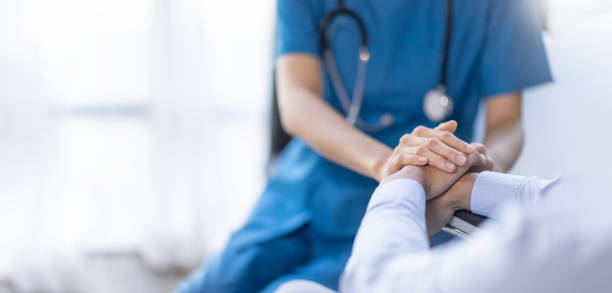
The transition from the hospital to home can be a vulnerable period. Patients may return home with new medications, wound care instructions, mobility restrictions, or other medical needs that can feel overwhelming.
Skilled nursing at home can help support continuity of care during recovery. A nurse may monitor the patient’s progress, reinforce discharge instructions, assess for potential complications, and communicate with the physician when necessary.
This professional support can make it easier for patients and families to follow the recovery plan while adjusting to new routines at home.
Chronic Conditions Are Becoming Harder to Manage
Conditions such as diabetes, heart disease, chronic respiratory conditions, and other long-term illnesses may require ongoing monitoring and education. If symptoms become more difficult to control or the patient has experienced repeated health setbacks, skilled nursing may be appropriate.
Nurses can monitor relevant health indicators, provide education about symptom management, and help patients understand warning signs that should be reported. They can also reinforce lifestyle and care recommendations included in the patient’s treatment plan.
The goal is not simply to respond to problems but to help patients participate more confidently in managing their health.
Medical Treatments Require Skilled Assistance
Some treatments performed at home require the knowledge and training of a licensed healthcare professional. Depending on the patient’s condition and physician’s orders, this may include injections, catheter care, certain intravenous therapies, or other skilled procedures.
Attempting complex medical tasks without proper training can create unnecessary risks. Skilled nursing provides professional support while allowing eligible patients to receive prescribed care in the familiar surroundings of home.
Nurses can also teach patients and caregivers how to safely handle appropriate aspects of care between visits.
The Patient or Family Is Struggling With the Care Plan
A care plan may seem manageable when explained at the hospital or doctor’s office but become much more difficult once the patient returns home. Families may be unsure how to monitor symptoms, follow treatment instructions, or determine whether recovery is progressing normally.
Repeated confusion, missed treatments, or uncertainty about medical instructions may indicate that additional professional support is needed. Skilled nurses can reinforce education, answer care-related questions, and help patients and caregivers understand the steps involved in the prescribed plan.
This guidance can reduce uncertainty and help everyone involved feel better prepared.
Knowing When to Ask for Help
Needing skilled nursing at home does not necessarily mean a patient has lost independence. In many cases, professional nursing support is designed to help patients recover safely, manage health conditions, and remain at home while receiving necessary medical care.
Families should pay attention to changes in symptoms, increasing complexity of care, medication challenges, wounds, recent hospitalizations, and difficulty following medical instructions. If concerns arise, discussing them with the patient’s physician or healthcare provider can help determine whether home health skilled nursing is appropriate.
Recognizing the need for additional support early can help patients receive the right level of care while giving families greater confidence as they navigate recovery and ongoing health needs at home.