
Receiving healthcare at home can make recovery and ongoing medical support more comfortable, but infection prevention remains an important part of staying safe. Home health patients may be recovering from surgery, managing wounds, receiving injections, using medical equipment, or living with health conditions that make infections more difficult to fight.
Fortunately, many infections can be prevented through consistent hygiene, proper care of medical supplies, and early attention to changes in health. Patients, caregivers, and visiting healthcare professionals all play an important role in creating a safer home environment.
Contents
- 1 Make Hand Hygiene a Daily Priority
- 2 Keep Wounds and Dressings Clean
- 3 Clean Frequently Touched Surfaces
- 4 Handle Medical Supplies Safely
- 5 Practice Good Respiratory Hygiene
- 6 Follow Medication Instructions Carefully
- 7 Support the Body Through Nutrition and Hydration
- 8 Limit Exposure When Someone Is Sick
- 9 Know When to Contact the Home Health Team
- 10 Creating a Safer Environment for Home Recovery
Make Hand Hygiene a Daily Priority
Regular handwashing is one of the simplest and most effective ways to reduce the spread of germs. Patients and caregivers should wash their hands with soap and water before preparing food, handling medications, touching wounds, or assisting with medical equipment.
Hands should also be washed after using the restroom, coughing, sneezing, handling waste, touching pets, or completing personal care tasks. When soap and water are not readily available, an alcohol-based hand sanitizer may be appropriate unless a healthcare professional recommends otherwise.
Home health professionals should also practice proper hand hygiene before and after providing care. Patients and family members should feel comfortable asking anyone involved in care to wash or sanitize their hands when needed.
Keep Wounds and Dressings Clean
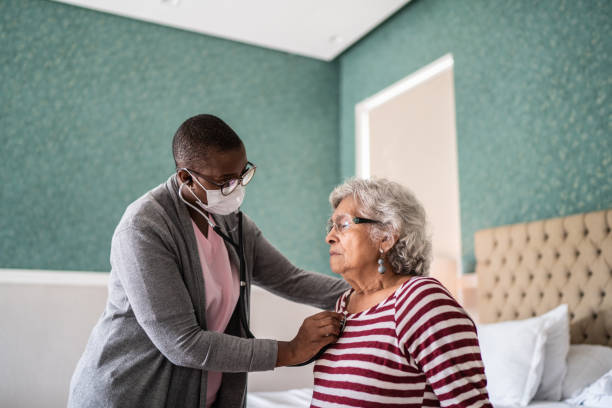
Patients recovering from surgery or receiving wound care should follow their healthcare provider’s instructions carefully. Dressings should be changed according to the recommended schedule, and wound-care supplies should be stored in a clean, dry area.
Before touching a wound or dressing, hands should always be washed thoroughly. Patients should avoid touching healing areas unnecessarily, even when experiencing mild itching or discomfort.
Watch for changes such as increased redness, swelling, warmth, drainage, worsening pain, or an unusual odor. A fever or sudden change in overall condition may also require medical attention. Contact the home health nurse or healthcare provider if concerning symptoms develop.
Clean Frequently Touched Surfaces
Germs can collect on surfaces that are handled regularly. Door handles, light switches, phones, remote controls, bathroom fixtures, countertops, and kitchen surfaces should be cleaned routinely.
Medical equipment may also require regular cleaning. Walkers, wheelchairs, blood pressure cuffs, reusable therapy equipment, and other devices should be maintained according to manufacturer or healthcare-provider instructions.
It is especially important to keep the patient’s immediate care area organized. Avoid allowing used tissues, food containers, dirty dressings, or unnecessary clutter to accumulate around beds, chairs, or medical supplies.
Handle Medical Supplies Safely
Home health patients may use syringes, wound-care materials, catheters, glucose-monitoring equipment, or other healthcare supplies. These items should be used and stored exactly as directed.
Single-use medical supplies should not be reused unless specifically designed for multiple uses. Needles and other sharp objects should be placed in an appropriate sharps container rather than regular household trash.
Clean supplies should be kept separate from used materials. Avoid placing medications, dressings, or medical devices on bathroom counters, floors, or other areas that may be contaminated.
Practice Good Respiratory Hygiene
Respiratory illnesses can spread quickly, particularly when multiple family members or visitors enter the home. Anyone who is coughing or sneezing should cover their mouth and nose with a tissue or the inside of their elbow and wash their hands afterward.
People who are sick should consider postponing nonessential visits when possible. Depending on the patient’s health condition, healthcare professionals may also recommend additional precautions during periods when respiratory illnesses are circulating in the community.
Keeping frequently used rooms comfortably ventilated and maintaining good household hygiene can further support a healthier environment.
Follow Medication Instructions Carefully
Some home health patients receive antibiotics or other medications as part of infection treatment or prevention. These medications should be taken exactly as prescribed.
Patients should not skip doses, change the schedule, stop medications early, or use leftover prescriptions without consulting their healthcare provider. If side effects or concerns arise, the home health nurse, pharmacist, or prescribing provider can offer guidance.
Maintaining an updated medication list can also help prevent confusion when multiple healthcare professionals are involved in the patient’s care.
Support the Body Through Nutrition and Hydration
A well-balanced diet provides nutrients the body needs for healing and immune function. Meals that include protein, vegetables, fruits, whole grains, and other nutrient-rich foods can support recovery when appropriate for the patient’s care plan.
Adequate hydration is also important, although some patients may have fluid restrictions because of certain medical conditions. Patients should follow individualized nutrition and hydration recommendations from their healthcare team.
Rest is equally important. Adequate sleep and a manageable daily routine can help the body recover from illness, surgery, or other health challenges.
Limit Exposure When Someone Is Sick
Family support can make home recovery easier, but visitors should take precautions when they have symptoms of illness. Someone experiencing fever, vomiting, diarrhea, coughing, or other contagious symptoms should generally avoid close contact with a medically vulnerable patient until it is safe to visit.
Caregivers who become ill should contact the patient’s home healthcare provider if alternative assistance may be needed. Taking early precautions can help protect both the patient and others in the household.
Know When to Contact the Home Health Team
Infection prevention also depends on recognizing problems early. Patients and caregivers should know which symptoms should be reported and who to contact with questions.
Changes in wounds, persistent fever, difficulty breathing, unusual weakness, confusion, worsening pain, or sudden changes in condition should not be ignored. The appropriate response depends on the patient’s medical situation, so following the healthcare team’s instructions is essential.
Home health professionals can also provide education on wound care, equipment cleaning, medication safety, hygiene, and other infection-prevention practices.
Creating a Safer Environment for Home Recovery
Preventing infection at home requires consistent habits rather than complicated routines. Clean hands, properly maintained medical supplies, careful wound care, household hygiene, and timely communication with healthcare professionals can all contribute to safer recovery.
By working together, patients, caregivers, and home health professionals can create an environment that supports healing while reducing unnecessary exposure to infection. Small preventive steps practiced every day can make a meaningful difference in protecting a patient’s health and helping them remain comfortable and confident at home.