
For many people, laboratory testing has traditionally meant traveling to a hospital, clinic, or diagnostic center, waiting for an appointment, and having samples collected in an unfamiliar setting. Today, some laboratory services can come directly to the patient. In-home lab draws and diagnostic services can make important health monitoring more accessible, particularly for older adults, people recovering from illness, and individuals who have difficulty leaving home.
Home-based testing does not eliminate the role of physicians or laboratories. Instead, it can extend clinical care into the home by allowing trained professionals to collect certain samples and health information where the patient is most comfortable.
Contents
What Are In-Home Lab Draws?
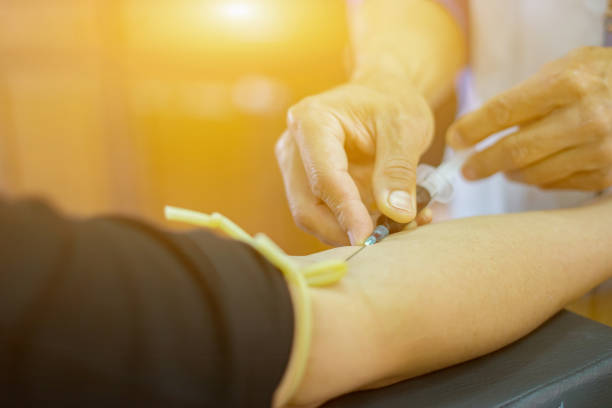
An in-home lab draw is the collection of a blood sample at a patient’s residence rather than at a laboratory or medical office. A qualified healthcare professional visits the home, confirms the testing order, prepares the patient, collects the necessary samples, and arranges for them to be transported to an appropriate laboratory.
Blood testing can provide physicians with important information about blood cells, blood sugar, cholesterol, electrolytes, kidney and liver function, and many other aspects of health. The National Library of Medicine provides additional information about how blood testing works and the different types of tests physicians may order. Learn more about blood testing from MedlinePlus
The specific tests that can be completed through a home service depend on the provider, the physician’s orders, and the patient’s medical needs.
Why Would a Physician Order Laboratory Testing at Home?

Laboratory tests are used for many different reasons. A physician may order them to investigate symptoms, monitor an existing condition, evaluate whether a treatment is working, or identify changes that may require additional attention.
For someone managing diabetes, for example, laboratory results may help the care team monitor blood glucose control. Tests may also help physicians monitor kidney function, cholesterol levels, blood counts, medication effects, or nutritional concerns.
Having samples collected at home can be especially helpful for patients with limited mobility, weakness, chronic illness, or other circumstances that make frequent trips to a laboratory challenging.
What Happens During a Home Blood Draw?
The experience is generally similar to having blood collected in a doctor’s office. Before the appointment, the patient should receive instructions about any necessary preparation. Some tests require fasting, while others may have specific medication or timing instructions.
During the visit, the healthcare professional will typically verify the patient’s identity and laboratory orders before collecting the sample. For a standard blood draw, a small needle is usually inserted into a vein in the arm. The blood is collected into one or more labeled tubes based on the tests ordered.
Afterward, pressure is applied to the collection site, and the sample is prepared for transport. Depending on the service, specimens may be delivered to a laboratory where they are processed and analyzed before results are sent to the ordering provider.
What Other Diagnostics May Be Available at Home?
Home diagnostics can extend beyond traditional blood collection. Depending on the healthcare provider and a patient’s needs, services may include urine or other specimen collection, certain rapid tests, and health measurements used to monitor ongoing conditions.
Patients can also purchase various self-testing and self-collection kits. However, these are different from clinician-ordered diagnostic services performed by healthcare professionals. MedlinePlus explains that some at-home medical tests provide immediate results, while others involve collecting a sample at home and sending it to a laboratory for analysis. Read about at-home medical testing from MedlinePlus
Not every diagnostic test can be performed safely or accurately at home. Imaging, specialized procedures, or tests requiring immediate clinical observation may still require a hospital, laboratory, or outpatient facility.
Preparing for an In-Home Lab Appointment
Following preparation instructions is important because everyday factors can influence certain test results. Eating, drinking, medications, supplements, physical activity, and the timing of sample collection may affect some laboratory measurements.
Patients should carefully follow instructions from their physician or laboratory. If fasting is required, they should confirm how long they need to avoid food and whether water is permitted. They should also ask before changing or skipping medications.
Having identification, insurance information when applicable, a medication list, and the physician’s laboratory order readily available can help the appointment proceed smoothly.
Understanding the Results
Receiving a laboratory result is only one part of the diagnostic process. A number outside the listed reference range does not automatically mean that a person has a serious medical condition. Results must be interpreted within the broader context of the patient’s medical history, symptoms, medications, previous results, and other clinical information.
Similarly, a result within the reference range does not always rule out a health concern. Patients should review laboratory findings with their physician rather than trying to diagnose themselves based on individual numbers.
Making Healthcare More Accessible at Home
In-home lab draws and diagnostic services can make routine monitoring easier for people who face difficulties traveling to medical facilities. They can also help healthcare teams obtain timely information while allowing patients to remain in familiar surroundings.
Understanding what the test involves, following preparation instructions, and discussing the results with a healthcare provider are important parts of the process. When appropriately ordered and performed, home-based laboratory services can be a practical extension of medical care and help patients stay connected to the ongoing monitoring their health requires.