

Falls are one of the most common and serious health risks for older adults and individuals with mobility challenges. A single fall can lead to injuries, loss of independence, and long-term fear that limits daily activity. Fortunately, therapy plays a critical role in fall prevention by addressing the physical, environmental, and behavioral factors that contribute to accidents at home. Through targeted interventions, therapy helps individuals move with confidence, maintain balance, and create safer living environments.
Contents
- 1 Understanding Why Falls Happen at Home
- 2 Strengthening Muscles That Support Stability
- 3 Improving Balance and Coordination
- 4 Enhancing Mobility and Flexibility
- 5 Teaching Safe Movement Strategies
- 6 Assessing and Modifying the Home Environment
- 7 Building Confidence and Reducing Fear of Falling
- 8 Supporting Long-Term Independence
- 9 Conclusion
Understanding Why Falls Happen at Home
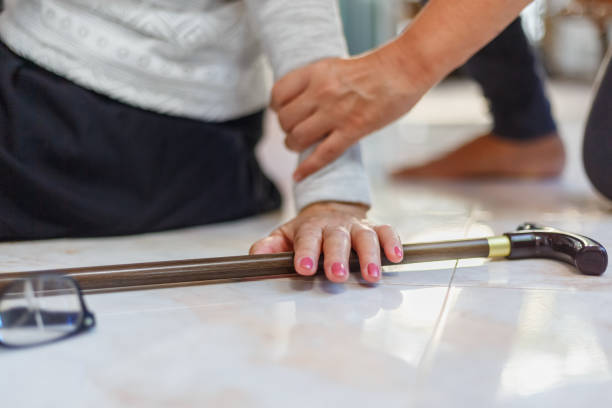
Most falls occur during routine activities such as walking to the bathroom, reaching for objects, or navigating stairs. Poor balance, muscle weakness, joint stiffness, vision changes, and slowed reaction time all increase fall risk. Environmental hazards, including loose rugs, poor lighting, and cluttered walkways, further compound the problem. Therapy focuses on identifying these risks early and implementing practical strategies to reduce them before a serious incident occurs.
Strengthening Muscles That Support Stability
One of the primary ways therapy prevents falls is by improving muscle strength. Weak muscles, especially in the legs, hips, and core, make it difficult to maintain stability during movement. Therapists design individualized exercise programs that target these critical areas, gradually increasing strength in a safe and controlled manner.
Stronger muscles improve posture, make it easier to stand up from chairs or beds, and enhance control during walking. Over time, this increased strength reduces fatigue and minimizes the likelihood of sudden loss of balance that can lead to falls.
Improving Balance and Coordination
Balance naturally declines with age, but therapy can significantly slow or even reverse this process. Balance training is a central component of fall prevention therapy. These exercises challenge the body to maintain stability under different conditions, such as standing on one foot, shifting weight, or walking on uneven surfaces.
By practicing these movements in a supervised setting, individuals learn how to react more effectively when they encounter real-life obstacles at home. Improved coordination and balance allow the body to make quick adjustments, reducing the chance of falling during unexpected situations.
Enhancing Mobility and Flexibility
Limited joint mobility and muscle stiffness can make everyday movements awkward and unsafe. Therapy incorporates stretching and mobility exercises that increase the range of motion in the ankles, hips, knees, and shoulders. Improved flexibility allows for smoother, more controlled movements, particularly when bending, turning, or reaching.
Better mobility also supports safer walking patterns. Therapists may address gait issues such as shuffling, uneven steps, or poor foot clearance, all of which are common contributors to trips and falls at home.
Teaching Safe Movement Strategies
Beyond physical improvements, therapy emphasizes education and awareness. Therapists teach individuals how to move safely during daily tasks, such as getting in and out of bed, using the bathroom, or carrying objects. Learning proper body mechanics reduces strain and improves stability during routine activities.
These strategies often include pacing movements, using hand support when needed, and avoiding risky behaviors such as rushing or multitasking while walking. Over time, these habits become second nature and significantly lower fall risk.
Assessing and Modifying the Home Environment
A critical but often overlooked aspect of fall prevention is the home environment itself. Therapists frequently assess living spaces to identify hazards that increase fall risk. This may include loose rugs, uneven flooring, narrow pathways, or inadequate lighting.
Based on this assessment, therapists recommend practical modifications such as installing grab bars, improving lighting, rearranging furniture, or adding non-slip surfaces. These changes work alongside physical improvements to create a safer overall environment.
Building Confidence and Reducing Fear of Falling
Fear of falling can be just as limiting as physical weakness. Individuals who are afraid of falling often reduce their activity levels, which leads to further muscle loss and balance decline. Therapy helps break this cycle by gradually rebuilding confidence through guided movement and measurable progress.
As individuals regain trust in their bodies, they are more likely to stay active and engaged in daily life. This increased activity further strengthens muscles and balance, creating a positive cycle of improvement and safety.
Supporting Long-Term Independence
Fall prevention therapy is not only about avoiding accidents; it is about preserving independence and quality of life. By improving strength, balance, mobility, and awareness, therapy enables individuals to continue living safely in their own homes.
Regular therapy sessions, combined with consistent practice at home, provide long-term benefits that extend beyond fall prevention. Individuals often experience better posture, reduced pain, and greater overall physical confidence.
Conclusion
Therapy is one of the most effective tools for preventing falls at home because it addresses both the physical and environmental factors that contribute to risk. Through strength training, balance improvement, mobility enhancement, education, and home safety assessments, therapy empowers individuals to move safely and confidently in their daily lives. By investing in therapy early, many people can significantly reduce fall risk and maintain independence for years to come.