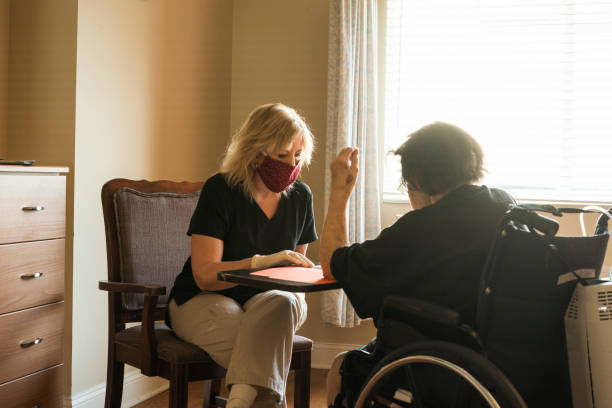
Speech therapy is often associated with clinics, schools, or rehabilitation centers, yet a growing body of practice shows that effective therapy can also happen at home. Home-based speech therapy focuses on three interconnected areas: swallowing, speech and language, and cognition. When guided by a licensed speech-language pathologist and reinforced through daily routines, at-home therapy can be both practical and impactful for children, adults, and older individuals.
Contents
- 1 Understanding Speech Therapy in the Home Setting
- 2 Swallowing Support and Safe Eating at Home
- 3 Building Clear Speech and Functional Communication
- 4 Cognitive Skills and Everyday Mental Function
- 5 The Role of Caregivers and Family Members
- 6 Benefits and Considerations of Home-Based Therapy
- 7 A Practical and Person-Centered Approach
Understanding Speech Therapy in the Home Setting
Speech therapy at home does not mean replacing professional care. Instead, it extends and supports it. A speech-language pathologist typically evaluates the individual, sets goals, and designs exercises that caregivers or patients can safely practice between sessions.
The home environment offers familiarity and comfort, which can reduce anxiety and encourage consistent participation. It also allows therapy to be embedded into real-life activities such as meals, conversations, and problem-solving tasks.
Swallowing Support and Safe Eating at Home
Swallowing therapy, often referred to as dysphagia management, is one of the most critical areas addressed at home, especially for older adults or individuals recovering from stroke, neurological conditions, or surgery. Difficulty swallowing can lead to serious complications, including choking, dehydration, and aspiration pneumonia.
At home, swallowing support often focuses on posture, pacing, and food texture. Simple adjustments, such as sitting upright during meals, taking smaller bites, and alternating solids with liquids, can significantly improve safety. A speech-language pathologist may recommend specific swallowing exercises to strengthen muscles involved in chewing and swallowing. They may also guide families on modifying food textures or liquid thickness to match the individual’s abilities. Consistency and careful observation are essential, as any change in coughing, voice quality, or breathing during meals should be reported to a professional.
Building Clear Speech and Functional Communication

Speech and language therapy at home addresses articulation, voice, fluency, and expressive or receptive language skills. For children, this may involve practicing sounds, building vocabulary, or improving sentence structure through play and storytelling. For adults, goals may include regaining clarity after a stroke, strengthening vocal quality, or improving conversational confidence.
The home setting offers many natural opportunities to practice communication. Reading aloud, describing daily activities, and engaging in structured conversations can reinforce therapy goals. Caregivers play a key role by modeling clear speech, allowing extra response time, and providing positive feedback rather than correction-focused criticism. Regular short practice sessions are often more effective than infrequent, lengthy drills, especially when they are woven into everyday interactions.
Cognitive Skills and Everyday Mental Function
Cognitive therapy focuses on attention, memory, problem-solving, organization, and executive function. These skills are essential for independence and quality of life, particularly for individuals with brain injury, dementia, or age-related cognitive decline. Home-based cognitive therapy emphasizes functional tasks rather than abstract exercises.
Activities such as following recipes, managing a daily schedule, or recalling details from a conversation help translate cognitive strategies into real-world use. Therapists may recommend memory aids like calendars, labeled storage, or written checklists. The goal is not only to improve cognitive performance but also to build compensatory strategies that support daily functioning. Family involvement is crucial, as consistent routines and clear communication help reinforce progress.
The Role of Caregivers and Family Members
Successful speech therapy at home depends heavily on the involvement of caregivers and family members. They serve as partners in reinforcing strategies, monitoring safety, and encouraging participation. Education is a key component, as understanding why certain techniques are used helps caregivers apply them correctly and confidently.
However, balance is important. Caregivers should support therapy without becoming overly corrective or turning every interaction into a therapy session. Maintaining natural, respectful communication preserves dignity and motivation, particularly for adults and older individuals.
Benefits and Considerations of Home-Based Therapy
One of the primary benefits of speech therapy at home is accessibility. It reduces travel barriers, supports continuity of care, and allows therapy to occur in meaningful contexts. It can also promote greater generalization of skills, as individuals practice them where they are most needed.
At the same time, safety and professional oversight are essential. Swallowing exercises and cognitive strategies should only be performed as recommended by a qualified speech-language pathologist. Regular follow-ups ensure that goals remain appropriate and that progress or concerns are addressed promptly.
A Practical and Person-Centered Approach
Speech therapy at home offers a flexible, person-centered way to support swallowing, communication, and cognitive health. When guided by professional expertise and reinforced through daily routines, it empowers individuals and families to take an active role in recovery and long-term well-being. By focusing on real-life skills and consistent practice, home-based speech therapy can meaningfully enhance safety, independence, and quality of life.