
Leaving the hospital is often an important milestone in recovery, but it does not always mean that the risk of complications has passed. The days and weeks after discharge can be a vulnerable time, especially for older adults, people managing chronic illnesses, and individuals recovering from surgery or serious medical conditions. Without the right support at home, medications may be missed, symptoms may worsen, and follow-up instructions may become difficult to manage.
Home health care can help bridge the gap between hospital treatment and recovery at home. By providing skilled nursing, therapy, monitoring, education, and ongoing communication with physicians, home health professionals can identify problems early and support patients as they regain their health. This coordinated approach may reduce the likelihood of complications that could otherwise lead to another hospital stay.
Contents
- 1 Supporting a Safer Transition Home
- 2 Monitoring Changes in Health
- 3 Helping Patients Manage Medications
- 4 Managing Chronic Health Conditions
- 5 Supporting Mobility and Fall Prevention
- 6 Providing Skilled Care at Home
- 7 Improving Communication Between Patients and Providers
- 8 Building Confidence During Recovery
Supporting a Safer Transition Home
One of the most important periods for preventing hospital readmissions begins immediately after discharge. Patients may return home with new medications, mobility limitations, wound care needs, dietary instructions, or follow-up appointments.
These changes can feel overwhelming, particularly when someone is tired or still recovering. A home health nurse or therapist can review the discharge plan and help patients and families understand what needs to happen next.
During early visits, the care team may assess the home environment, evaluate the patient’s condition, review medications, and identify potential concerns. Addressing these issues early can make the transition home safer and more manageable.
Monitoring Changes in Health
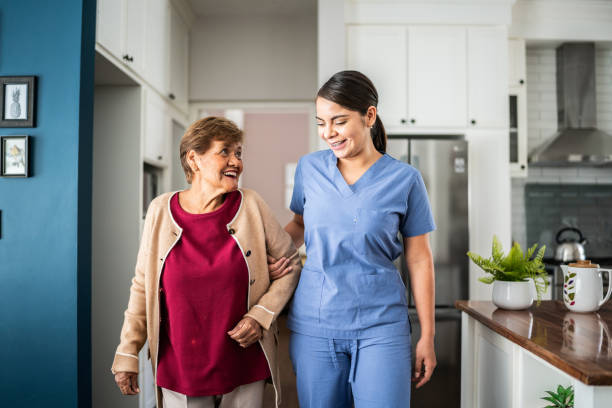
Health problems do not always appear suddenly. Sometimes there are small warning signs before a serious complication develops. Changes in breathing, swelling, blood pressure, temperature, pain, appetite, or energy levels may signal that something needs attention.
Home health professionals regularly assess patients for these changes. Depending on the patient’s condition, nurses may monitor vital signs, evaluate wounds, listen to heart and lung sounds, or assess symptoms related to chronic illnesses.
When concerning changes are identified, the home health team can communicate with the patient’s physician. Early intervention may allow treatment to be adjusted before the condition becomes severe enough to require emergency care or hospitalization.
Helping Patients Manage Medications
Medication problems are a common concern after hospitalization. Patients may receive new prescriptions, dosage changes, or instructions to stop medications they previously used. Managing several prescriptions at once can become confusing.
Home health nurses can review medications with patients and caregivers, explain how they should be taken, and help identify possible concerns such as missed doses or duplicate medications. They can also reinforce instructions provided by the physician or hospital.
Better medication understanding can help patients follow their treatment plans more consistently and reduce the risk of complications related to incorrect medication use.
Managing Chronic Health Conditions
People living with conditions such as heart failure, diabetes, chronic obstructive pulmonary disease, or high blood pressure may have a greater risk of returning to the hospital when symptoms become difficult to manage.
Home health care can provide ongoing education and monitoring that helps patients better understand their conditions. Nurses may teach patients how to recognize warning signs, monitor symptoms, follow dietary recommendations, or use medical equipment correctly.
The goal is to help patients become more confident in managing their health between medical appointments. When patients understand what is normal and what requires attention, they may be more likely to seek help before a problem becomes an emergency.
Supporting Mobility and Fall Prevention
Falls and mobility problems can also lead to hospital readmissions. After an illness, surgery, or extended hospital stay, patients may experience weakness, poor balance, or difficulty walking safely.
Physical and occupational therapists can help patients rebuild strength, improve balance, practice safe movement, and learn strategies for completing everyday activities. They may also identify hazards in the home that increase the risk of falls.
Improving mobility can support greater independence while reducing the chance of injuries that could require another hospital visit.
Providing Skilled Care at Home
Some patients leave the hospital with ongoing medical needs that cannot be managed through routine self-care alone. Home health nurses may provide services such as wound care, medication management, injections, catheter care, or monitoring after surgery.
Receiving skilled care at home allows healthcare professionals to closely observe recovery while the patient remains in a familiar environment. Nurses can also teach family caregivers how to safely assist with appropriate aspects of care.
Consistent skilled support can make it easier to identify complications before they become serious.
Improving Communication Between Patients and Providers
Preventing hospital readmissions often requires communication among several people, including patients, family caregivers, physicians, nurses, therapists, and other healthcare professionals.
Home health teams can help coordinate this communication. They may report changes in symptoms, clarify physician instructions, or provide updates about the patient’s progress. This coordination can help ensure that important concerns do not go unnoticed during recovery.
Building Confidence During Recovery
Home health care cannot prevent every hospital readmission. Some medical conditions may worsen despite careful treatment and monitoring. However, appropriate home health services can address many of the challenges patients experience after leaving the hospital.
Through skilled care, education, monitoring, therapy, and communication, home health professionals can help patients recover more safely while becoming active participants in their own care. With the right support at home, patients and families may feel better prepared to recognize problems early, follow treatment recommendations, and continue moving toward a healthier and more independent recovery.