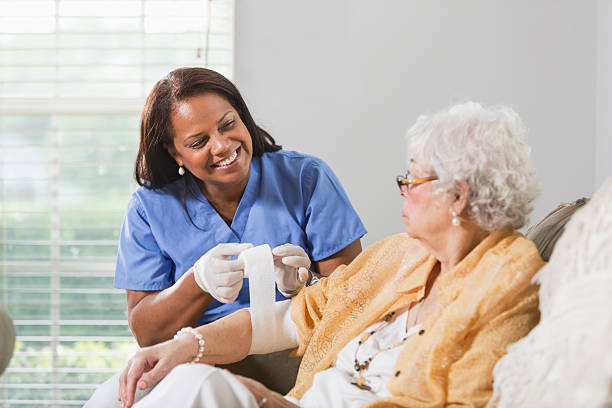
Recovering from a wound at home can be a comfortable and convenient option for many individuals, but proper care is essential to support healing and reduce the risk of complications. Whether a wound is the result of surgery, an injury, or a chronic health condition, family members often play an important role in monitoring recovery and ensuring the wound receives consistent attention.
Understanding what to expect during the healing process and recognizing potential warning signs can help families respond quickly if concerns arise. With the right knowledge and support, home wound care can promote a safer and smoother recovery.
Contents
- 1 Why Proper Wound Care Matters
- 2 What Healthy Wound Healing Looks Like
- 3 Warning Signs Families Should Watch For
- 4 Best Practices for Wound Care at Home
- 5 Special Considerations for Older Adults
- 6 When to Contact a Healthcare Provider Immediately
- 7 The Value of Professional Home Health Support
- 8 Supporting Safe Healing Every Step of the Way
Why Proper Wound Care Matters
The skin acts as the body’s first line of defense against bacteria and other harmful organisms. When that barrier is broken, the risk of infection increases until the wound has fully healed.
Proper wound care helps:
- Reduce the chance of infection
- Encourage healthy tissue growth
- Prevent complications that may delay healing
- Minimize discomfort
- Lower the risk of unnecessary hospital visits
Even small wounds require regular attention, especially for older adults or individuals with diabetes, poor circulation, or weakened immune systems.
What Healthy Wound Healing Looks Like
Every wound heals differently depending on its size, location, and underlying cause. However, families should know the signs of normal healing so they can distinguish them from potential problems.
Healthy healing often includes:
- Mild redness around the wound during the early stages
- Slight swelling that gradually improves
- Small amounts of clear or light pink drainage
- Formation of new tissue that appears pink or red
- Gradual reduction in wound size
- Less pain over time
Healing may take days, weeks, or even months depending on the individual’s overall health and the type of wound being treated.
Warning Signs Families Should Watch For
While some discomfort is expected, certain symptoms may indicate an infection or another complication that requires medical attention.
Increasing Redness or Swelling
A small amount of redness immediately after an injury or surgery is common. However, redness that continues spreading outward or swelling that becomes worse instead of better may signal infection.
If the area becomes increasingly warm or tender, it is important to notify a healthcare provider promptly.
Unusual Drainage
Changes in wound drainage deserve close attention.
Watch for:
- Thick yellow, green, or gray drainage
- Pus
- A sudden increase in fluid
- Drainage with a foul odor
These changes may indicate bacteria are present and that additional treatment is needed.
Fever or Chills
If the person develops a fever, chills, or begins feeling generally unwell while recovering from a wound, the infection may no longer be limited to the wound itself.
Medical evaluation should be sought as soon as possible if these symptoms appear.
Increasing Pain
Pain should gradually improve as healing progresses.
If pain suddenly becomes more severe or does not improve despite proper wound care, families should contact the healthcare team for further assessment.
Delayed Healing
Some wounds naturally require more time to heal, particularly in people with diabetes or poor circulation. However, if the wound appears unchanged for an extended period or begins getting larger instead of smaller, further evaluation is recommended.
Slow healing may indicate underlying issues that need medical treatment.
Best Practices for Wound Care at Home
Families can support healing by following the care instructions provided by healthcare professionals.
Wash Hands Before and After Care
Clean hands are one of the simplest and most effective ways to reduce infection risk.
Always wash hands thoroughly with soap and water or use an alcohol-based hand sanitizer before touching the wound or changing dressings.
Follow Dressing Change Instructions
Dressings protect the wound from contamination while maintaining an environment that supports healing.
Avoid changing dressings more or less often than instructed. If the dressing becomes wet, dirty, or loose, it may need to be replaced sooner.
Always use the supplies recommended by the healthcare provider.
Keep the Wound Clean
Never apply creams, ointments, or home remedies unless specifically instructed.
Instead, clean the wound exactly as directed, using approved cleansing solutions and sterile materials when recommended.
Encourage Good Nutrition
The body requires adequate nutrients to repair damaged tissue.
A balanced diet rich in:
- Protein
- Vitamin C
- Zinc
- Healthy fluids
can help support the healing process. Individuals with dietary restrictions should consult their healthcare provider for personalized guidance.
Protect the Wound
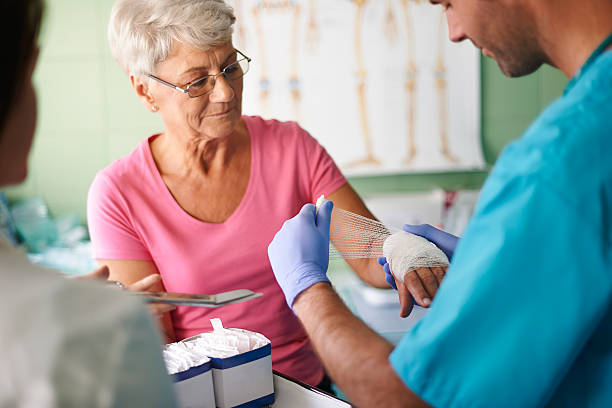
Avoid placing unnecessary pressure or friction on the healing area.
Depending on the wound’s location, this may involve repositioning regularly, wearing protective footwear, or using cushions to reduce pressure.
Special Considerations for Older Adults
Older adults often experience slower healing due to changes in circulation, skin thickness, and underlying medical conditions.
Families should pay extra attention to:
- Skin breakdown around the wound
- Signs of dehydration
- Reduced mobility
- Changes in mental status that may indicate infection
- Blood sugar control for individuals with diabetes
Routine monitoring helps identify problems before they become more serious.
When to Contact a Healthcare Provider Immediately
Certain situations require prompt medical attention.
Contact a healthcare provider if you notice:
- Rapidly spreading redness
- Large amounts of bleeding that do not stop
- Fever or chills
- Severe or worsening pain
- Foul-smelling drainage
- Black or dead-looking tissue
- The wound reopening
- Sudden swelling or significant warmth around the wound
Early treatment often prevents more serious complications and supports better healing outcomes.
The Value of Professional Home Health Support
Some wounds require skilled assessment and ongoing management that can be difficult for families to provide alone. Home health professionals can monitor healing, perform dressing changes, identify early signs of complications, educate caregivers, and communicate with physicians when changes occur.
Having experienced medical professionals involved in wound care provides reassurance for families while helping patients receive consistent, high-quality care without leaving home.
Supporting Safe Healing Every Step of the Way
Home wound care involves more than simply changing dressings. It requires careful observation, consistent hygiene, and an understanding of what healthy healing should look like. By recognizing early warning signs and following proper care practices, families can help reduce complications and promote a safer recovery.
Working closely with healthcare professionals and remaining attentive throughout the healing process gives patients the best opportunity to recover comfortably and confidently in their own homes.