
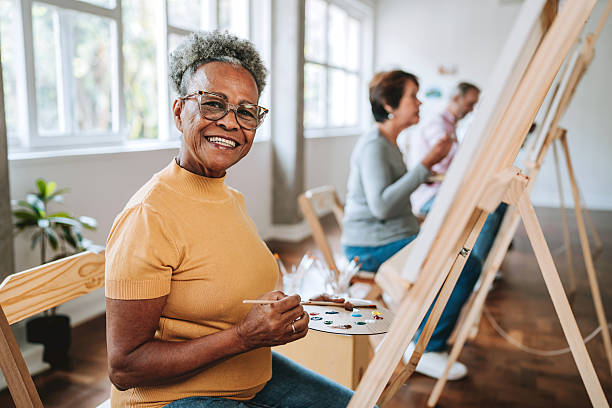
As people grow older, wellness involves much more than physical health alone. Emotional balance, social connection, mental stimulation, and a sense of purpose all play important roles in maintaining a high quality of life. While medical care and healthy routines remain essential, activities that bring joy and comfort can also have a meaningful impact on overall well-being.
Music, art, and interaction with pets have become valuable forms of support for seniors in many care settings and home environments. These experiences encourage engagement, reduce stress, and help older adults stay emotionally connected to the world around them. Whether through listening to favorite songs, creating artwork, or spending time with a beloved animal companion, these simple activities can contribute significantly to healthier and happier aging.
Contents
- 1 The Emotional Benefits of Music for Seniors
- 2 How Music Encourages Social Interaction
- 3 The Creative and Cognitive Benefits of Art
- 4 Art Activities Promote Confidence and Independence
- 5 The Comfort and Companionship Pets Provide
- 6 Pets Encourage Physical Activity and Engagement
- 7 Combining Meaningful Activities for Better Senior Wellness
The Emotional Benefits of Music for Seniors
Music has a unique ability to trigger emotions and memories. Familiar songs often remind seniors of important moments in their lives, including family gatherings, celebrations, or meaningful personal experiences. This emotional connection can create feelings of comfort and security, especially for individuals facing loneliness or cognitive decline.
Listening to music may also help reduce anxiety and improve mood. Calm and familiar melodies can create a soothing atmosphere, while upbeat music may encourage movement and social interaction. Many seniors feel more energized and engaged when music becomes part of their daily routine.
For individuals living with dementia or memory-related conditions, music can sometimes improve communication and emotional expression. Even when verbal communication becomes difficult, familiar songs may encourage singing, smiling, or participation in activities. These moments can help strengthen emotional connections with caregivers and loved ones.
How Music Encourages Social Interaction
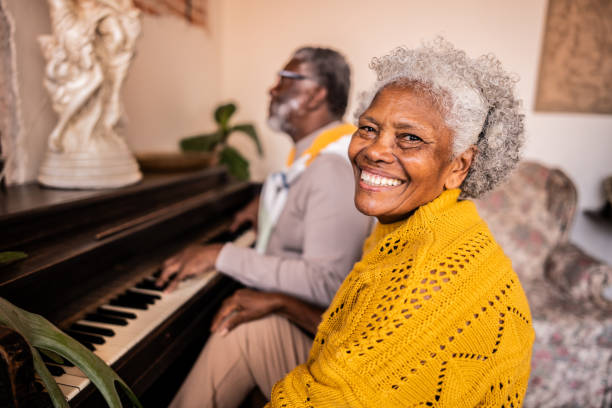
Group music activities often create opportunities for seniors to connect with others. Singing groups, music therapy sessions, and community events allow older adults to participate in shared experiences that reduce feelings of isolation.
Social engagement is important for maintaining emotional wellness in later years. Seniors who regularly participate in enjoyable group activities may feel more connected and supported. Music naturally encourages conversation, laughter, and interaction, helping individuals build friendships and maintain relationships.
Even simple activities such as listening to favorite songs together or discussing musical memories can create meaningful moments of connection between seniors, family members, and caregivers.
The Creative and Cognitive Benefits of Art
Art offers seniors an opportunity to express themselves creatively while keeping the mind active. Painting, drawing, crafting, and other creative activities encourage focus, imagination, and problem-solving. These activities can provide a sense of accomplishment and purpose, regardless of skill level or previous artistic experience.
Creative expression can also help seniors process emotions healthily and positively. Art provides a nonverbal outlet for feelings that may be difficult to explain through conversation alone. This can be especially valuable for individuals experiencing grief, anxiety, or changes related to aging.
Participating in artistic activities may also support cognitive function. Concentration, decision-making, and hand-eye coordination are all involved in many forms of art. These mental exercises help keep the brain engaged while providing an enjoyable and relaxing experience.
Art Activities Promote Confidence and Independence
Completing an art project often gives seniors a sense of pride and achievement. Creating something unique can improve confidence and encourage continued participation in hobbies and social activities.
Art programs in senior communities frequently emphasize enjoyment rather than perfection. This supportive environment allows individuals to explore creativity without pressure or judgment. Seniors may discover new interests or reconnect with hobbies they once enjoyed earlier in life.
Art activities can also support independence by encouraging self-expression and personal choice. Selecting colors, materials, or project ideas allows seniors to remain actively involved in decision-making and creative exploration.
The Comfort and Companionship Pets Provide
Pets can bring companionship, comfort, and emotional support to seniors. Spending time with animals often reduces feelings of loneliness and provides a calming presence. For many older adults, caring for a pet creates a sense of routine and responsibility that contributes to emotional wellness.
Animals offer unconditional companionship and affection. Seniors who live alone may especially benefit from the presence of a pet, as regular interaction can improve mood and reduce feelings of isolation.
Research has also shown that interacting with animals may help lower stress levels and promote relaxation. Petting a dog or cat can create calming effects that support emotional balance and comfort.
Pets Encourage Physical Activity and Engagement
Caring for pets may encourage seniors to stay physically active. Walking a dog, grooming an animal, or participating in pet-related routines can support gentle movement and daily activity.
Physical activity is important for maintaining mobility, balance, and overall health. Even light exercise associated with pet care may help seniors remain more active and engaged throughout the day.
Pets can also encourage social interaction. Dog walks, pet visits, and conversations about animals often create opportunities for seniors to connect with neighbors, caregivers, and other community members.
Combining Meaningful Activities for Better Senior Wellness
Music, art, and pets each provide unique emotional, mental, and social benefits for seniors. Together, these activities create opportunities for joy, creativity, relaxation, and connection. They help support overall wellness by encouraging engagement and improving quality of life in meaningful ways.
Healthy aging involves more than managing physical conditions. It also includes nurturing emotional health, maintaining relationships, and participating in activities that bring comfort and fulfillment. By incorporating music, creative expression, and animal companionship into daily life, seniors can experience greater happiness, confidence, and well-being as they age.