

For many years, the common path for older adults in need of daily medical support or assistance was relocation—often to nursing homes or assisted living facilities. But that narrative is changing rapidly. Across the United States and beyond, more seniors are opting to receive care in their own homes. The rise of home healthcare represents not only a shift in care models but also a reflection of how seniors view independence, comfort, and dignity in the later stages of life.
Contents
The Comfort and Familiarity of Home
One of the most compelling reasons behind this growing trend is the irreplaceable comfort of home. Familiar surroundings can have a powerful effect on emotional well-being and even physical recovery. The presence of cherished personal items, a favorite chair, or the family pet provides a sense of stability that institutional settings often can’t replicate. For seniors managing chronic illnesses, this comfort can translate into better mental health and reduced stress—key factors that support overall healing.
Home healthcare allows seniors to age in place, maintaining the routines and environments that have shaped their lives. For those who have lived in the same home for decades, uprooting to a facility can feel like losing a part of themselves. Staying home helps preserve that connection to one’s identity and history.
Quality Care Without Compromise
A common misconception is that home healthcare cannot provide the same level of medical expertise found in professional facilities. In truth, modern home healthcare has evolved to meet—and often exceed—clinical standards. Licensed nurses, therapists, and caregivers now bring specialized care directly to patients’ doorsteps. From medication management and wound care to physical therapy and post-surgical recovery, these professionals use advanced tools and evidence-based practices within the home environment.
Furthermore, home healthcare providers often deliver more personalized attention than facility staff can. In institutional settings, caregivers are responsible for multiple residents, making individualized attention harder to maintain. At home, care is focused solely on the senior, ensuring that treatments, routines, and communication are tailored precisely to their needs.
Cost-Effectiveness and Financial Practicality
Financial considerations are another driving factor. Long-term care facilities can be expensive, often costing thousands of dollars per month. Home healthcare, on the other hand, allows families to customize the level of service based on necessity—paying only for what is required. Whether it’s daily nursing visits, weekly therapy sessions, or part-time personal care, this flexibility makes it a more sustainable solution for many families.
Insurance companies and government programs, such as Medicare, are also recognizing the economic advantages of home-based care. In many cases, coverage options have expanded to include home healthcare services, further reducing out-of-pocket costs for families.
Maintaining Independence and Dignity
Seniors overwhelmingly value independence. Relocating to an assisted living facility often means adhering to schedules and routines not of their own choosing—meal times, wake-up calls, and activity plans dictated by staff availability. Home healthcare restores autonomy. Seniors can decide when to eat, rest, and engage in social activities. This sense of control contributes significantly to emotional well-being and helps prevent feelings of helplessness or isolation.
Beyond autonomy, home healthcare also respects dignity. Many older adults find personal care—such as bathing or dressing—deeply private. Receiving assistance from a trusted caregiver in one’s own home minimizes discomfort and embarrassment, creating a more respectful and compassionate environment for care.
Family Involvement and Emotional Connection
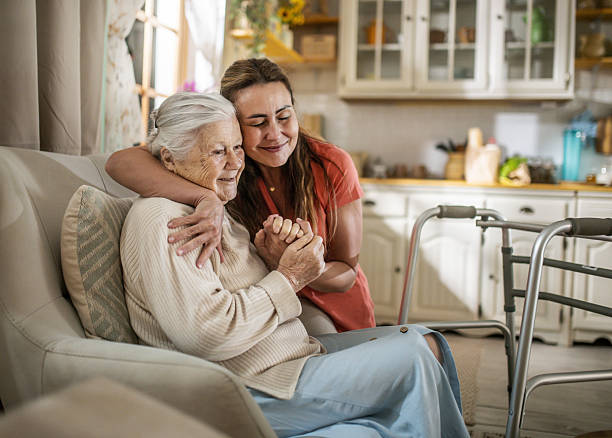
Another major advantage of home healthcare is the opportunity for families to stay closely involved in the care process. Unlike facility-based care, where visiting hours and restrictions may apply, home settings invite participation. Family members can observe, assist, and communicate directly with healthcare professionals. This collaboration fosters transparency, reassurance, and shared decision-making—helping families feel confident about the quality of their loved one’s care.
Emotional support from family and friends is invaluable for seniors. Studies show that seniors who maintain close personal relationships tend to recover faster from illness, experience less cognitive decline, and enjoy a higher quality of life. Home healthcare, by its very nature, strengthens these bonds.
Technology and the Future of Home Healthcare
Advances in medical technology have made home healthcare not only possible but highly effective. Remote monitoring tools now allow nurses and physicians to track vital signs, adjust medications, and respond quickly to any changes in a patient’s condition. Video consultations and electronic health records have also streamlined communication between healthcare teams and families, ensuring consistent, informed care.
This integration of technology reduces unnecessary hospital visits and provides peace of mind to both seniors and their families. As innovation continues, home healthcare is expected to become even more sophisticated, expanding its reach and impact on senior well-being.
Conclusion: Aging with Grace and Freedom
The decision between relocation and home healthcare is deeply personal. However, the growing preference for home-based care is a clear sign that seniors want to age on their own terms—surrounded by comfort, family, and familiarity. Home healthcare offers the best of both worlds: professional medical support and the priceless gift of independence.
As society continues to evolve and healthcare systems adapt to the changing needs of an aging population, the message is clear—home is not just where the heart is; it’s where healing, dignity, and life itself can thrive.