
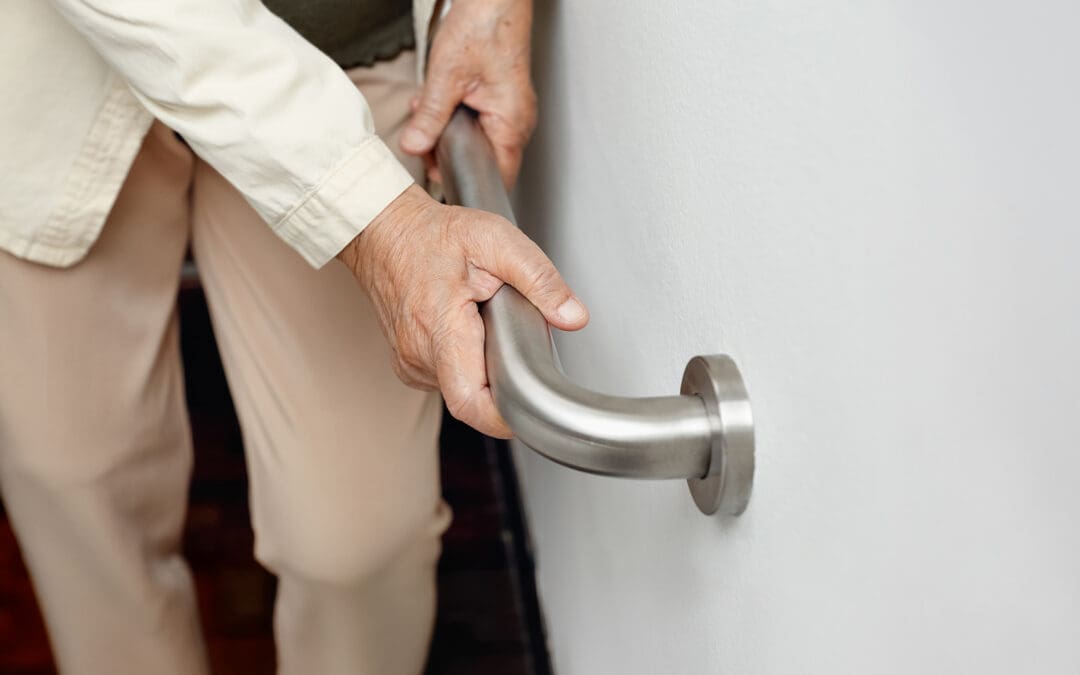
A safe and supportive home environment plays a critical role in maintaining independence, especially for individuals facing mobility challenges, chronic illness, injury, or age-related changes. Adaptive equipment and home modifications are not just for extreme circumstances. In many cases, early adjustments can prevent accidents, reduce caregiver strain, and significantly improve quality of life. Knowing when to consider these solutions can make the difference between reactive changes and proactive planning.
Contents
- 1 Recognizing Early Signs of Functional Decline
- 2 After a Major Medical Event
- 3 Managing Progressive Conditions
- 4 Supporting Aging in Place
- 5 Caregiver Strain and Safety Concerns
- 6 Environmental Barriers Limiting Participation
- 7 Planning Before a Crisis Occurs
- 8 Balancing Cost and Long-Term Value
- 9 Moving Toward Greater Independence
Recognizing Early Signs of Functional Decline
One of the clearest indicators that adaptive equipment may be needed is a noticeable change in functional ability. This may include difficulty climbing stairs, standing from a seated position, maintaining balance, or completing routine activities such as bathing and dressing. Frequent fatigue, joint stiffness, or shortness of breath during everyday tasks are also important warning signs.
Falls or near-falls should never be dismissed as minor incidents. Even a single fall can signal an increased risk of future injury. If an individual begins holding onto furniture for support or avoids certain areas of the home due to fear of falling, it may be time to explore assistive devices such as grab bars, handrails, walkers, or stair lifts.
After a Major Medical Event
Recovery from surgery, stroke, fracture, or neurological conditions often requires temporary or permanent adjustments at home. After orthopedic procedures, for example, individuals may need raised toilet seats, shower chairs, or transfer benches to prevent strain on healing joints. Stroke survivors may require one-handed adaptive tools or bathroom modifications to accommodate weakness on one side of the body.
In these cases, waiting until a problem occurs can delay recovery. Introducing adaptive equipment early can support rehabilitation goals, reduce complications, and encourage consistent participation in therapy. A physical or occupational therapist can assess the home environment and recommend targeted solutions aligned with the patient’s recovery plan.
Managing Progressive Conditions
Chronic and progressive conditions such as arthritis, multiple sclerosis, Parkinson’s disease, or advanced heart disease often lead to gradual changes in strength, coordination, and endurance. Because these changes develop over time, individuals may not immediately recognize how much their environment is contributing to difficulty or discomfort.
If daily routines require increasing effort or assistance from others, home modifications may be appropriate. Lever-style door handles, non-slip flooring, improved lighting, widened doorways, and step-free entryways can preserve independence longer. Installing these features earlier rather than later allows individuals to adapt gradually and maintain confidence in their surroundings.
Supporting Aging in Place
Many older adults prefer to remain in their homes rather than transition to assisted living facilities. Aging in place is achievable, but it requires thoughtful planning. Even healthy seniors can benefit from preventive modifications that address common risk factors such as poor lighting, loose rugs, narrow hallways, or high bathtub walls.
If navigating stairs becomes slower or more cautious, or if balance feels less stable than before, it may be wise to install railings on both sides of staircases or consider relocating essential living spaces to the ground floor. Bathroom modifications, including walk-in showers and strategically placed grab bars, are particularly effective in reducing injury risk. Proactive adjustments can extend independence for years while offering peace of mind to family members.
Caregiver Strain and Safety Concerns
Sometimes, the need for adaptive equipment becomes evident through caregiver fatigue rather than patient complaints. When family members struggle to assist with transfers, bathing, or mobility, the risk of injury increases for both parties. Repeated lifting without proper equipment can lead to musculoskeletal strain and long-term health issues.
Hospital beds, transfer boards, mechanical lifts, and adjustable seating can significantly reduce physical demands on caregivers. If assistance requires excessive effort or creates unsafe lifting situations, modifications are not optional but necessary. Ensuring safety for caregivers supports sustainable, long-term care at home.
Environmental Barriers Limiting Participation
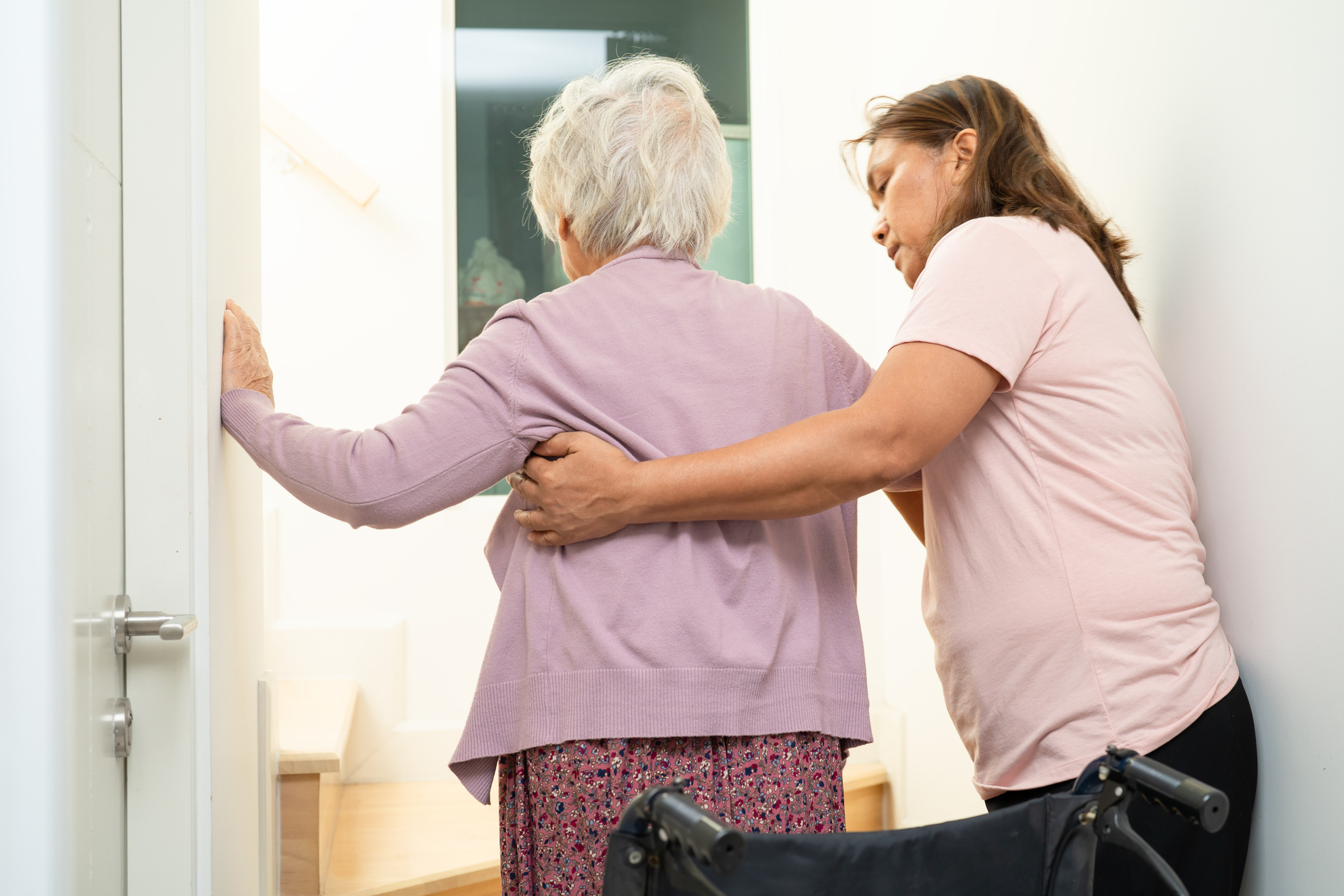
A home should promote participation in meaningful activities. If certain rooms are no longer accessible, or if hobbies and routines are abandoned due to environmental obstacles, this is a clear sign that modifications may be needed. For example, difficulty entering the home because of steps at the front entrance can isolate individuals and limit social engagement.
Ramps, widened pathways, and improved outdoor lighting can restore access. Inside the home, rearranging furniture to create clear walking paths or lowering countertops for wheelchair users can dramatically improve daily function. When the environment limits engagement, thoughtful design changes can restore autonomy.
Planning Before a Crisis Occurs
Many families wait until a serious accident or hospitalization forces them to modify the home. However, forward-thinking planning is far more effective. Individuals diagnosed with conditions known to progress over time should begin evaluating their living space early. Even small changes, such as installing non-slip mats or improving task lighting, can have substantial long-term benefits.
Consulting rehabilitation professionals for a home safety evaluation provides tailored recommendations based on medical history, mobility level, and lifestyle goals. Early intervention reduces emergency decision-making and ensures modifications are implemented thoughtfully rather than hastily.
Balancing Cost and Long-Term Value
While adaptive equipment and home modifications require investment, they often prevent more costly outcomes such as hospitalization, long-term care placement, or caregiver injury. Viewing these changes as part of a comprehensive health strategy reframes them as proactive safeguards rather than optional expenses.
Simple devices such as reachers, sock aids, or shower grab bars are relatively inexpensive and can deliver immediate functional gains. Larger renovations, including stair lifts or bathroom remodels, should be assessed in the context of long-term safety, independence, and healthcare savings.
Moving Toward Greater Independence
Adaptive equipment and home modifications are not signs of decline. Instead, they represent strategic tools that enable continued independence, safety, and dignity. Recognizing early warning signs, responding after medical events, managing progressive conditions, and planning proactively all contribute to better outcomes.
A home should evolve alongside its occupants. By assessing risks early and making informed adjustments, individuals and families can create an environment that supports mobility, confidence, and long-term well-being.