
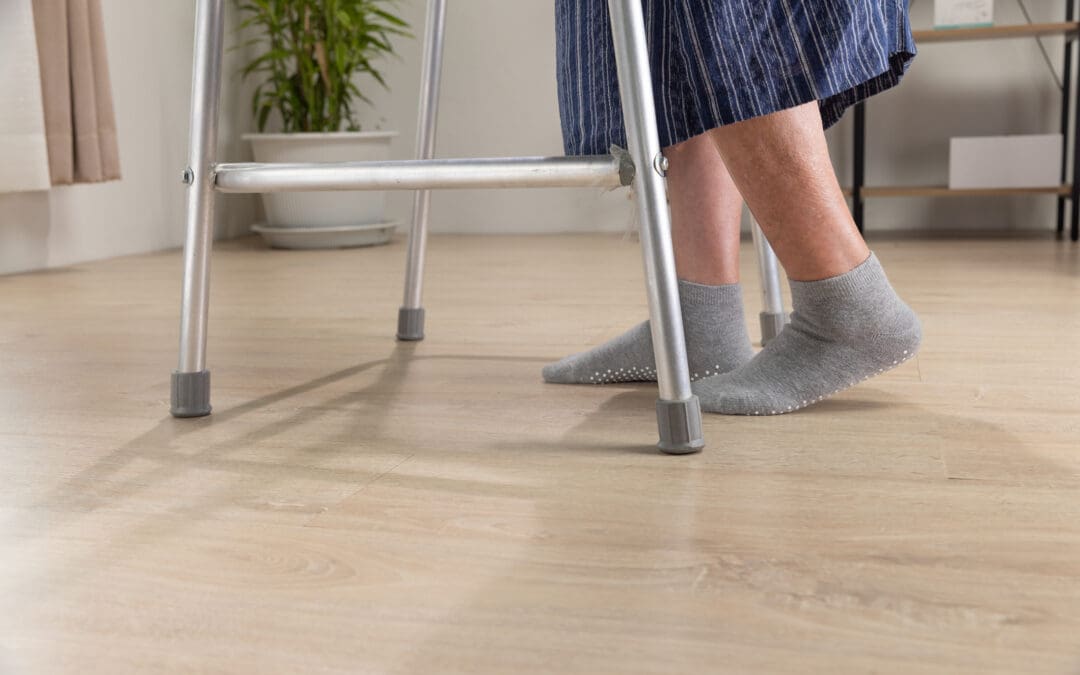
Welcoming a new home health care patient into your home is both a meaningful and delicate transition. Whether the individual is recovering from surgery, managing a chronic illness, or adjusting after a hospital stay, the home environment plays a vital role in their comfort, safety, and recovery. Thoughtful preparation not only reduces health risks but also promotes dignity, independence, and emotional well-being.
Preparing your home goes beyond simple cleaning. It involves strategic planning, safety modifications, and coordination with healthcare providers to ensure the space supports medical needs while remaining warm and familiar.
Contents
- 1 Understanding the Patient’s Specific Needs
- 2 Creating a Safe and Accessible Living Space
- 3 Preparing the Bedroom for Comfort and Care
- 4 Organizing the Bathroom for Safety and Hygiene
- 5 Setting Up Medical Equipment Properly
- 6 Maintaining Cleanliness and Infection Control
- 7 Preparing Emotionally and Logistically
- 8 Building a Supportive Care Environment
Understanding the Patient’s Specific Needs
Before making any changes, it is essential to understand the patient’s medical condition and daily care requirements. Some individuals may require mobility assistance, while others may need specialized medical equipment such as oxygen tanks, hospital beds, or IV stands. Consult with the attending physician, discharge planner, or home health agency to obtain a clear list of equipment and care instructions.
Consider whether the patient will need assistance with bathing, dressing, medication management, or physical therapy exercises. Identifying these needs early allows you to design a living environment that minimizes stress for both the patient and caregivers. It also prevents last-minute adjustments that could delay proper care.
Creating a Safe and Accessible Living Space

Safety should be the primary focus when preparing your home. Falls and accidents are among the most common risks for patients recovering at home. Begin by removing tripping hazards such as loose rugs, electrical cords, and clutter from walkways. Ensure that floors are dry and non-slip.
If the patient has limited mobility, consider relocating their bedroom to the ground floor to eliminate the need for stairs. Install handrails on staircases and grab bars in bathrooms. Non-slip mats in showers and tubs are essential. Adequate lighting in hallways, bedrooms, and bathrooms helps reduce the risk of nighttime falls.
Furniture placement also matters. Arrange pieces to create wide, clear pathways for walkers or wheelchairs. Chairs with firm cushions and armrests provide easier support when standing up or sitting down. Small adjustments like these significantly improve daily comfort and reduce physical strain.
Preparing the Bedroom for Comfort and Care
The bedroom should serve as both a restful retreat and a functional care area. Position the bed in a way that allows caregivers easy access from both sides if assistance is required. If a hospital bed is recommended, ensure there is enough space for its proper setup and movement.
Keep essential items within arm’s reach, including medications, water, tissues, a phone, and emergency contact information. A bedside lamp with simple controls improves convenience and safety during nighttime hours.
Temperature control is equally important. Patients recovering from illness or surgery may be more sensitive to cold or heat. Ensure the room is well-ventilated and maintains a stable, comfortable temperature.
Organizing the Bathroom for Safety and Hygiene
Bathrooms often present the highest safety risks. Installing grab bars near the toilet and inside the shower can provide critical support. Raised toilet seats may help patients who struggle with sitting and standing. A shower chair allows individuals to bathe safely without prolonged standing.
Keep toiletries, towels, and hygiene supplies easily accessible to reduce unnecessary bending or reaching. If space allows, remove unnecessary decorative items that could interfere with movement.
It may also be beneficial to place a nightlight in the bathroom or along the path leading to it, especially for patients who require frequent nighttime use.
Setting Up Medical Equipment Properly
If medical equipment will be used in the home, ensure it is set up according to professional guidelines. Follow instructions carefully for devices such as oxygen concentrators, suction machines, or feeding pumps. Electrical outlets should be easily accessible, and extension cords should be avoided whenever possible to prevent hazards.
Designate a clean and organized area for storing medical supplies. Keep medications in a secure, dry place away from children and pets. Use a medication organizer if multiple prescriptions are involved, and maintain a clear schedule to prevent missed doses.
Home health professionals typically provide demonstrations and instructions for operating equipment. Take the time to ask questions and request clarification to ensure safe usage.
Maintaining Cleanliness and Infection Control
A clean home environment supports faster recovery and reduces infection risk. Regularly disinfect high-touch surfaces such as doorknobs, light switches, and countertops. Wash bedding and clothing frequently, particularly if the patient has wounds or a weakened immune system.
Encourage proper hand hygiene for everyone in the household. Caregivers should wash their hands thoroughly before and after assisting the patient. Keeping hand sanitizer in convenient locations can reinforce this habit.
If the patient has specific infection precautions, follow any guidelines provided by healthcare professionals to protect both the patient and household members.
Preparing Emotionally and Logistically
Transitioning to home health care can be emotionally overwhelming for both the patient and family members. Beyond physical adjustments, emotional readiness is equally important. Create a welcoming atmosphere that feels calm and supportive. Familiar objects, family photos, and personal belongings can provide comfort and reassurance.
Establish a daily routine that balances medical care with rest and social interaction. Clear communication among family members and caregivers helps prevent misunderstandings and burnout. Consider designating specific responsibilities to ensure smooth coordination.
It may also be helpful to prepare a visible care plan outlining medication schedules, appointment dates, and emergency procedures. Having organized information readily available reduces stress during urgent situations.
Building a Supportive Care Environment
Preparing your home for a new home health care patient is ultimately about creating a safe, structured, and compassionate environment. When thoughtful planning is combined with proper medical guidance, the home can become a powerful setting for healing and independence.
By focusing on safety, accessibility, hygiene, and emotional well-being, families can confidently support their loved one’s recovery journey. With preparation and collaboration, home health care can offer not only medical support but also comfort, dignity, and a renewed sense of stability.