

More families today are spread across cities, regions, and even countries. Career opportunities, education, and economic mobility often require adult children to live far from aging parents. While distance brings possibilities, it also creates emotional strain when loved ones begin to need regular support. Many long-distance families struggle with the fear of not being present during emergencies, missing early signs of health decline, or being unable to assist with daily tasks.
Home healthcare has emerged as a dependable solution, bridging the gap between geographical separation and consistent, high-quality care. By placing trained professionals in the home, families gain confidence that their loved ones are supported, monitored, and treated with compassion—regardless of where family members live.
Contents
- 1 Why Home Healthcare Has Become Essential for Distant Families
- 2 The Emotional Reassurance Home Healthcare Delivers
- 3 Bridging Communication Through Professional Oversight
- 4 Supporting Safety and Independence at Home
- 5 Customized Care Plans Tailored to Individual Needs
- 6 Reducing Hospital Readmissions and Emergency Incidents
- 7 Enhancing Family Relationships Through Reduced Stress
- 8 A Reliable Partnership for Modern Families
Why Home Healthcare Has Become Essential for Distant Families
Home healthcare is designed to meet seniors and medically vulnerable individuals where they are most comfortable: at home. This level of care becomes especially crucial when primary decision-makers live far away. Instead of relying on neighbors, sporadic check-ins, or hurried visits, long-distance families can secure ongoing care from licensed nurses, therapists, and aides who ensure continuity and attention to detail.
This professional presence provides more than clinical support. It creates a structured environment in which medication schedules, vital sign monitoring, chronic condition management, and post-hospital recovery plans are carried out with precision. For families, knowing that trained eyes and hands are present daily or weekly replaces uncertainty with clarity.
The Emotional Reassurance Home Healthcare Delivers
Distance can intensify worry, especially when a loved one lives alone. One of the strongest reasons families choose home healthcare is the emotional security it offers. Regular visits, skilled care, and dependable routines reassure family members that their loved ones are safe even when they cannot be physically present.
Home healthcare workers often serve as an extension of the family’s presence. They observe changes in mood, behavior, or physical mobility that might otherwise go unnoticed. They provide companionship, conversation, and human connection—elements that are deeply valuable to seniors who may experience isolation. For long-distance families, this personal engagement is a powerful source of comfort.
Bridging Communication Through Professional Oversight
A major challenge for distant families is staying fully informed about a loved one’s health. Home healthcare agencies play a crucial role in maintaining accurate communication between seniors, providers, and family members. Care reports, progress updates, medication changes, and alerts about emerging concerns are systematically communicated, creating a reliable information loop.
Families who live hours or flights away benefit greatly from this structured reporting. Instead of fragmented updates, they receive clear insights into daily activities, recovery milestones, and potential issues. This transparency allows them to remain actively involved in decision-making, even from afar.
Supporting Safety and Independence at Home
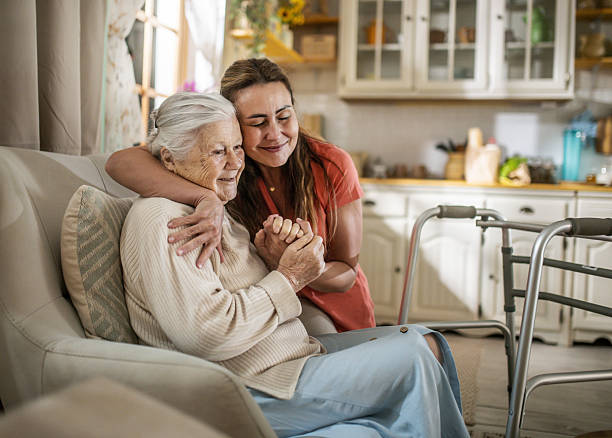
Aging in place is a priority for many seniors, and home healthcare makes this possible without compromising safety. Skilled clinicians ensure that home environments are optimized for mobility, fall prevention, and comfort. They help patients perform essential tasks—from wound care to medication management—while empowering them to maintain independence.
For long-distance families, the knowledge that professionals are actively reducing risks and promoting autonomy offers immense relief. It lowers the fear of emergency room visits, accidents, or unforeseen complications. It also helps seniors retain a sense of dignity and control over their daily lives.
Customized Care Plans Tailored to Individual Needs
Every individual has unique health concerns, whether they involve chronic conditions, mobility limitations, or recovery from surgery. Home healthcare stands out because it delivers personalized care plans that align with specific needs. Nurses evaluate medical history, current health status, home environment, and the family’s concerns to design a care program that adapts over time.
This adaptability is essential for families who cannot be physically present to observe day-to-day changes. When conditions improve or new challenges arise, care plans are adjusted proactively. This ensures that the level of support always matches the patient’s evolving needs.
Reducing Hospital Readmissions and Emergency Incidents
Families often worry that distance will prevent them from responding quickly during health crises. Home healthcare significantly reduces these risks by providing early detection of symptoms, monitoring chronic illnesses, and ensuring proper follow-through on treatment plans. These interventions help prevent complications that commonly lead to emergency room visits or readmissions.
When long-distance relatives know that professionals are actively safeguarding their loved one’s health, the constant fear of sudden medical incidents diminishes. They can maintain regular communication, schedule visits, and plan travel more confidently.
Enhancing Family Relationships Through Reduced Stress
Distance can strain relationships when caregiving responsibilities feel overwhelming. Home healthcare alleviates this pressure by distributing responsibilities between family members and professional caregivers. With essential medical and daily tasks handled by trained specialists, families can focus on meaningful connections during their visits rather than rushing to complete chores or manage medications.
This shift strengthens emotional bonds and preserves positive family dynamics. Instead of stress, family interactions center on companionship, shared memories, and supportive conversations.
A Reliable Partnership for Modern Families
Home healthcare is more than a service; it is a partnership that allows families separated by distance to remain deeply connected to their loved one’s well-being. Through compassionate care, professional oversight, and consistent communication, it provides the reassurance long-distance families need in an increasingly mobile world.
By placing trusted care at home, families gain peace of mind, seniors gain independence, and everyone involved benefits from a safer, healthier, and more supportive living environment.