

Home healthcare often involves more than occasional nurse visits or therapy sessions. For many seniors and recovering patients, progress depends on what happens between appointments. This is where home health aides (HHAs) play a valuable role. While therapists create structured care plans and rehabilitation goals, HHAs help reinforce those goals through consistent daily support inside the home environment.
From encouraging mobility exercises to helping patients maintain routines, HHAs provide practical assistance that supports long-term recovery and independence. Their involvement can make therapy plans more effective by helping individuals stay engaged, motivated, and safe throughout the healing process.
Contents
- 1 Understanding Therapy Goals in Home Healthcare
- 2 Supporting Daily Mobility and Exercise Routines
- 3 Encouraging Independence With Daily Activities
- 4 Reinforcing Safe Habits and Fall Prevention
- 5 Providing Emotional Encouragement and Motivation
- 6 Assisting With Communication Between Patients and Care Teams
- 7 Supporting Consistency in the Home Environment
- 8 Helping Families Feel More Reassured
- 9 Conclusion
Understanding Therapy Goals in Home Healthcare
Therapy goals are designed to help individuals regain or maintain essential physical, cognitive, and functional abilities. These goals are often developed by physical therapists, occupational therapists, or speech therapists based on a patient’s condition and recovery needs.
Some therapy goals may include improving balance after a fall, rebuilding strength after surgery, increasing independence with daily activities, or improving communication and swallowing abilities after a stroke. Progress usually requires repetition, consistency, and support outside scheduled therapy sessions.
Since therapists may only visit a few times each week, patients often need additional encouragement and assistance to continue practicing healthy habits daily. HHAs help bridge that gap by reinforcing routines and helping patients stay on track.
Supporting Daily Mobility and Exercise Routines
One of the most important ways HHAs reinforce therapy goals is by supporting mobility and movement throughout the day. Therapists may recommend walking exercises, transfers from bed to chair, or simple stretching routines to improve strength and flexibility.
HHAs can safely assist patients while they practice these movements under the guidance of the care team. They may encourage short walks around the home, remind individuals to use mobility devices correctly, or help maintain safe body positioning during activities.
This type of daily reinforcement helps prevent setbacks caused by inactivity. Regular movement can also reduce stiffness, improve circulation, and build confidence for individuals recovering from illness, injury, or surgery.
Encouraging Independence With Daily Activities
Occupational therapy often focuses on helping patients regain independence with everyday tasks such as dressing, bathing, eating, or grooming. HHAs support these therapy goals by encouraging patients to participate in activities rather than doing everything for them.
For example, an HHA may guide a patient through dressing techniques recommended by an occupational therapist or help organize household items to reduce strain and improve accessibility. Small adjustments and consistent encouragement can help individuals rebuild confidence in their abilities.
This approach supports dignity and autonomy while allowing patients to gradually improve their functional skills over time.
Reinforcing Safe Habits and Fall Prevention
Safety is a major focus in home healthcare, especially for seniors and individuals with mobility limitations. Therapists may recommend specific safety practices to reduce fall risks and improve home navigation.
HHAs help reinforce these recommendations every day. They may ensure pathways remain clear, remind patients to use walkers properly, or assist with safe transfers in and out of bed or the bathroom. Their regular presence allows them to notice potential hazards before accidents occur.
By supporting safe movement and supervision, HHAs help create a stable environment that encourages recovery without unnecessary risks.
Providing Emotional Encouragement and Motivation
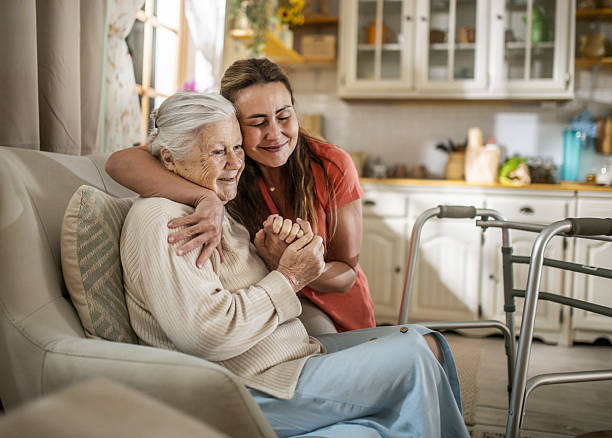
Recovery can sometimes feel frustrating or overwhelming, particularly when progress seems slow. Patients may become discouraged, anxious, or resistant to therapy routines over time.
HHAs often provide emotional reassurance that helps patients remain motivated. Simple encouragement during exercises or positive reinforcement after completing tasks can improve morale and participation. Because HHAs frequently spend significant time with patients, they often develop trusted relationships that promote comfort and cooperation.
Emotional support is especially important for seniors living alone or individuals coping with chronic conditions. Consistent companionship can help reduce feelings of isolation while encouraging continued engagement in care plans.
Assisting With Communication Between Patients and Care Teams
HHAs also contribute valuable observations that help therapists and healthcare providers monitor progress. Since they interact with patients daily, they may notice changes in strength, mood, appetite, balance, or mobility before others do.
Sharing these observations with nurses, therapists, or family members can help identify concerns early and allow care plans to be adjusted when needed. Communication between HHAs and the broader healthcare team supports more coordinated and responsive care.
This collaborative approach helps ensure therapy goals remain realistic, effective, and aligned with the patient’s current condition.
Supporting Consistency in the Home Environment
One of the advantages of home healthcare is that therapy occurs in a familiar environment where patients feel more comfortable. HHAs help maintain consistency within that environment by reinforcing routines that fit naturally into daily life.
Rather than limiting recovery to formal appointments, therapy principles become part of everyday activities. Patients may practice balance while preparing meals, improve coordination while getting dressed, or strengthen mobility through short household walks.
This ongoing reinforcement can improve long-term outcomes because patients are practicing skills in the same environment where they will continue using them.
Helping Families Feel More Reassured
Family caregivers often worry about whether loved ones are following therapy instructions correctly between appointments. HHAs provide additional reassurance by helping reinforce care plans and monitoring daily progress.
Their support can reduce caregiver stress while ensuring patients receive consistent attention and encouragement throughout the recovery process. Families gain peace of mind knowing someone is available to assist with mobility, safety, and routine care needs at home.
Conclusion
Home health aides play a meaningful role in helping patients achieve therapy goals within the comfort of their homes. Through daily support, encouragement, safety assistance, and consistent reinforcement of therapy routines, HHAs help turn professional recommendations into practical everyday habits.
Their presence not only supports physical recovery but also promotes confidence, independence, and emotional well-being. In home healthcare settings, this combination of therapeutic guidance and hands-on daily support can make a lasting difference in a patient’s quality of life and overall progress.