

As more families explore care options for aging loved ones, understanding the difference between home health care and private duty care becomes increasingly important. While both services allow individuals to remain in the comfort of their own homes, they serve different purposes and provide different levels of support. Choosing the right type of care depends on a person’s medical condition, daily needs, and long-term goals.
Home health and private duty care are often confused because they both involve caregivers visiting a patient at home. However, the training of caregivers, the services provided, and the circumstances under which care is recommended can vary significantly.
Contents
Understanding Home Health Care
Home health care is a medical service designed for individuals who need skilled clinical support while recovering at home. This type of care is typically prescribed by a physician after surgery, hospitalization, illness, or injury. It often involves licensed healthcare professionals such as registered nurses, physical therapists, occupational therapists, or speech therapists.
The primary goal of home health care is to help patients recover safely and improve their overall health condition. Services may include wound care, medication management, therapy sessions, monitoring chronic conditions, and educating patients about managing their health at home.
Home health care is usually short-term and focused on rehabilitation or medical treatment. Patients receiving these services are often expected to improve over time and regain independence. Care plans are created based on medical needs and are regularly reviewed by healthcare professionals.
Because home health care is considered a medical service, it may be covered by Medicare, Medicaid, or private insurance when eligibility requirements are met.
What Is Private Duty Care?
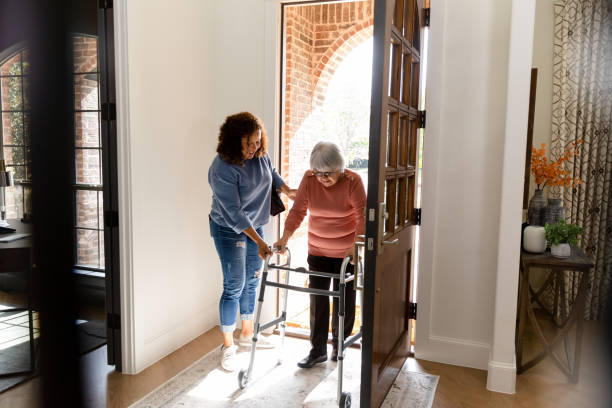
Private duty care focuses more on non-medical support and daily living assistance. This type of care is intended to help individuals maintain comfort, safety, and independence at home, especially when everyday tasks become difficult due to aging, disability, or chronic health conditions.
Caregivers in private duty care settings may assist with bathing, dressing, grooming, meal preparation, housekeeping, companionship, transportation, and medication reminders. While some private duty caregivers may have nursing backgrounds, many are trained aides or companions rather than licensed medical professionals.
Unlike home health care, private duty care is often long-term and flexible. Families can arrange care for a few hours a week, overnight support, or even 24-hour assistance, depending on the individual’s needs.
Private duty care is especially valuable for seniors who do not require medical treatment but still need help with daily routines. It can also provide relief for family caregivers who need support balancing caregiving responsibilities with work and personal obligations.
Medical Care vs. Personal Assistance
One of the biggest differences between home health care and private duty care is the level of medical involvement.
Home health care includes skilled medical services performed by licensed professionals. These services are designed to treat or manage health conditions under a doctor’s supervision. Patients may receive therapy after surgery, nursing care for chronic illnesses, or assistance recovering from a medical event such as a stroke.
Private duty care, on the other hand, focuses primarily on helping individuals with everyday activities. The goal is not medical treatment but improving the quality of life and ensuring a safe living environment.
For example, a person recovering from knee replacement surgery may initially need home health care for rehabilitation exercises and wound monitoring. Once recovery progresses, that same individual may transition to private duty care for help with cooking, cleaning, or transportation while regaining strength.
Duration and Flexibility of Services
Another major distinction is the expected duration of care.
Home health care is generally temporary and tied to a medical need. Services may last several weeks or months, depending on recovery progress. Visits are often scheduled a few times a week rather than providing continuous support throughout the day.
Private duty care is far more customizable. Families can arrange care schedules based on changing needs and preferences. Some individuals only need companionship during the day, while others may require around-the-clock supervision.
This flexibility makes private duty care suitable for seniors with progressive conditions such as dementia or mobility limitations that require ongoing assistance but not necessarily skilled medical treatment.
Insurance Coverage and Payment Differences
Insurance coverage can also differ significantly between these two care options.
Home health care is often covered by Medicare or insurance if the patient qualifies medically and receives services ordered by a physician. Coverage usually applies only to medically necessary skilled care.
Private duty care is typically paid out of pocket because it is considered custodial or personal care rather than medical treatment. Some long-term care insurance policies may help cover costs, but standard health insurance plans usually do not.
Families should carefully review financial considerations when choosing care options, especially for long-term support needs.
Choosing the Right Care for Your Loved One
Deciding between home health care and private duty care depends on the individual’s condition and daily challenges. If medical treatment, therapy, or skilled nursing is needed, home health care may be the most appropriate solution. If the primary concern involves safety, companionship, or assistance with everyday activities, private duty care may provide the right level of support.
In some cases, families use both services together. A patient may receive home health therapy while also relying on private duty caregivers for personal assistance and supervision. Combining services can create a more comprehensive support system that promotes both recovery and comfort.
Understanding these differences helps families make informed decisions and ensures loved ones receive the type of care that best supports their health, independence, and overall well-being.