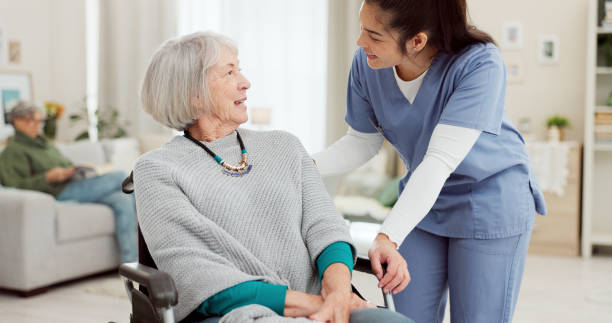
Caring for a loved one at home often begins with basic assistance such as help with meals, mobility, or companionship. However, there comes a point when a patient’s medical needs go beyond what non-medical caregivers can safely provide. Skilled nursing at home bridges this gap, offering professional medical care in a familiar environment while supporting recovery, stability, and quality of life.
Recognizing the right time to transition to skilled nursing care is essential. Delaying necessary medical support can lead to complications, hospital readmissions, or a decline in overall health. Below are the most important signs that indicate a patient may benefit from skilled nursing services at home.
Contents
- 1 Frequent Hospitalizations or Emergency Visits
- 2 Complex Medication Management
- 3 Presence of Chronic or Progressive Illness
- 4 Wound Care and Post-Surgical Recovery Needs
- 5 Declining Mobility and Increased Fall Risk
- 6 Difficulty Managing Medical Equipment
- 7 Cognitive Decline or Confusion
- 8 Uncontrolled Pain or Symptoms
- 9 Caregiver Burnout or Limitations
- 10 Transitioning from Hospital to Home
- 11 Recognizing the Right Time for Skilled Nursing Care
Frequent Hospitalizations or Emergency Visits
One of the clearest indicators that a patient requires skilled nursing care is repeated hospital visits. Frequent admissions often suggest that a condition is not being managed effectively at home. Whether it involves chronic illnesses such as heart disease, respiratory conditions, or complications from diabetes, ongoing medical oversight becomes critical.
Skilled nurses can monitor vital signs, manage symptoms, and intervene early when issues arise. This proactive approach significantly reduces the likelihood of emergencies and helps stabilize the patient’s condition.
Complex Medication Management
Managing multiple medications can quickly become overwhelming, especially for patients with chronic or advanced conditions. Incorrect dosages, missed medications, or harmful drug interactions can lead to serious health risks.
A skilled nurse ensures medications are administered correctly and on schedule. They also monitor for side effects and coordinate with physicians to adjust treatment plans when necessary. This level of oversight is particularly important for patients taking anticoagulants, insulin, or medications that require precise timing and monitoring.
Presence of Chronic or Progressive Illness
Patients diagnosed with chronic or progressive conditions often require continuous medical attention. Conditions such as congestive heart failure, chronic obstructive pulmonary disease (COPD), Parkinson’s disease, or advanced arthritis can worsen over time without proper management.
Skilled nursing care provides ongoing assessment and tailored interventions that adapt to the patient’s evolving needs. This not only helps manage symptoms but also slows disease progression and improves overall comfort.
Wound Care and Post-Surgical Recovery Needs
Recovering from surgery or managing chronic wounds requires specialized care that goes beyond basic assistance. Improper wound management can lead to infections, delayed healing, or serious complications.
Skilled nurses are trained in wound care techniques, including dressing changes, infection prevention, and monitoring healing progress. For post-surgical patients, they also ensure that recovery protocols are followed, helping to prevent setbacks and promote faster healing.
Declining Mobility and Increased Fall Risk
A noticeable decline in mobility is another important sign that skilled nursing care may be needed. Patients who struggle with walking, transferring, or maintaining balance are at a higher risk of falls and injuries.
Skilled nurses can assess mobility limitations and implement safety measures within the home. They may also coordinate with physical therapists to develop mobility plans that improve strength and reduce fall risks, ensuring a safer living environment.
Difficulty Managing Medical Equipment
Many patients rely on medical equipment such as oxygen therapy devices, feeding tubes, catheters, or IV lines. These tools require proper handling and monitoring to function safely and effectively.
When a patient or their caregiver is unable to manage this equipment confidently, skilled nursing support becomes essential. Nurses ensure that devices are used correctly, maintained properly, and adjusted as needed to meet the patient’s condition.
Cognitive Decline or Confusion
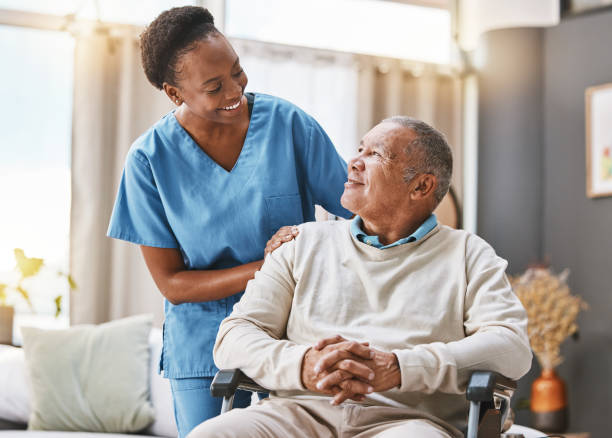
Cognitive impairments, including dementia or Alzheimer’s disease, can complicate even the simplest aspects of daily care. Patients may forget to take medications, fail to recognize symptoms, or engage in unsafe behaviors.
Skilled nursing care provides structured medical supervision while supporting cognitive health. Nurses can identify early warning signs of complications and ensure that care routines are consistently followed, even as cognitive abilities decline.
Uncontrolled Pain or Symptoms
Persistent or worsening pain is a significant concern that requires professional attention. Whether it stems from chronic illness, injury, or recovery from surgery, unmanaged pain can severely impact a patient’s quality of life.
Skilled nurses are trained to assess pain levels accurately and administer appropriate treatments. They work closely with healthcare providers to adjust pain management strategies, ensuring patients remain as comfortable as possible.
Caregiver Burnout or Limitations
Family caregivers play a vital role in home care, but they are not always equipped to handle complex medical needs. Physical exhaustion, emotional stress, and lack of clinical training can compromise the quality of care provided.
When caregiving responsibilities become overwhelming, skilled nursing services offer much-needed support. This not only improves patient outcomes but also allows family members to focus on emotional connection rather than medical tasks.
Transitioning from Hospital to Home
After a hospital stay, many patients require continued medical care during the recovery phase. Without proper support, the risk of complications or readmission increases significantly.
Skilled nursing ensures a smooth transition from hospital to home by maintaining continuity of care. Nurses follow discharge plans, monitor recovery progress, and communicate with healthcare providers to address any concerns promptly.
Recognizing the Right Time for Skilled Nursing Care
Identifying the need for skilled nursing at home is not always straightforward, but early recognition can make a meaningful difference. When medical needs become too complex, symptoms worsen, or safety is at risk, professional care becomes essential.
Skilled nursing at home offers a balanced approach, combining clinical expertise with the comfort of familiar surroundings. For many patients, it represents the most effective way to maintain independence while receiving the medical attention they need.