
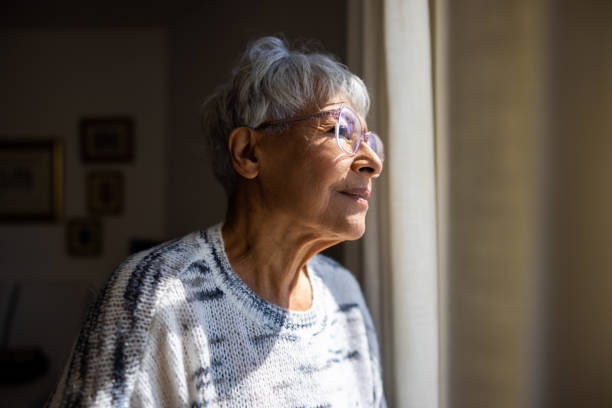
Caring for someone with dementia is a deeply human responsibility that extends far beyond medical treatment. Dementia affects memory, reasoning, communication, and behavior, gradually changing how a person experiences the world. Home health care plays a critical role in preserving dignity, safety, and emotional well-being while allowing patients to remain in familiar surroundings. When delivered thoughtfully, home-based dementia care supports not only patients but also the families who walk alongside them.
Contents
- 1 Understanding Dementia and Its Impact at Home
- 2 The Role of Home Health in Dementia Care
- 3 Creating a Safe and Supportive Home Environment
- 4 Supporting Emotional and Psychological Well-Being
- 5 Partnering with Family Caregivers
- 6 Communication and Respect in Dementia Care
- 7 Planning for Progression and Long-Term Needs
- 8 Conclusion: Preserving Dignity Through Home Health Care
Understanding Dementia and Its Impact at Home

Dementia is not a single disease but a broad term covering conditions such as Alzheimer’s disease, vascular dementia, and Lewy body dementia. These conditions progress over time, leading to increasing dependence on others for daily tasks. In the home setting, this progression often reveals itself through confusion, wandering, difficulty with personal care, changes in sleep patterns, and emotional distress.
Home health professionals are uniquely positioned to observe these changes closely. By working within the patient’s daily environment, caregivers gain insight into routines, triggers, and comfort cues that may not be apparent in clinical settings. This personalized understanding allows care plans to evolve alongside the patient’s needs.
The Role of Home Health in Dementia Care
Home health care focuses on providing structured, consistent, and compassionate support. Skilled nurses, therapists, and trained caregivers collaborate to address both medical and non-medical needs. Medication management, monitoring of chronic conditions, and coordination with physicians are essential components, but dementia care goes further.
Caregivers assist with activities of daily living such as bathing, dressing, and eating while maintaining respect for autonomy. Small choices, like selecting clothes or deciding when to rest, can help patients feel a sense of control. Home health teams also ensure that care remains aligned with the patient’s stage of dementia, adjusting interventions as cognitive abilities change.
Creating a Safe and Supportive Home Environment
Safety is a central concern when caring for individuals with dementia at home. Cognitive impairment increases the risk of falls, medication errors, and wandering. Home health professionals assess the living environment and recommend practical modifications to reduce hazards.
Clear pathways, adequate lighting, secured doors, and simplified room layouts can significantly improve safety. Labels, visual cues, and memory aids help patients navigate their space with greater confidence. These adjustments not only prevent accidents but also reduce anxiety, allowing patients to move through their homes with familiarity rather than fear.
Supporting Emotional and Psychological Well-Being
Dementia often brings emotional challenges such as frustration, fear, depression, and agitation. Home health caregivers provide more than physical assistance; they offer emotional stability through consistent presence and calm communication. Familiar faces and routines help patients feel grounded, especially as memory loss progresses.
Meaningful engagement is another vital aspect of care. Simple activities like listening to familiar music, looking through photo albums, or participating in light household tasks can evoke positive memories and promote connection. Home health care emphasizes these moments, recognizing that emotional well-being is just as important as physical health.
Partnering with Family Caregivers
Family members are often the primary caregivers for individuals with dementia, and the demands can be overwhelming. Home health services act as a crucial support system, sharing the responsibility and providing professional guidance. Caregivers receive education on dementia progression, communication strategies, and behavioral management techniques.
This partnership helps families feel less isolated and more confident in their role. Respite care, even for short periods, allows family caregivers to rest and attend to their own health. By supporting families, home health care indirectly improves the quality of care patients receive.
Communication and Respect in Dementia Care
Effective communication is foundational in dementia care. As verbal abilities decline, caregivers rely on tone, body language, and patience to convey reassurance. Home health professionals are trained to approach interactions slowly and respectfully, avoiding confrontation and validating emotions rather than correcting perceived inaccuracies.
This respectful approach preserves dignity and reduces distress. Patients may not always remember words or facts, but they continue to sense kindness, safety, and empathy. Home-based care fosters these qualities by prioritizing relationships over routines.
Planning for Progression and Long-Term Needs
Dementia is a progressive condition, making future planning an essential part of home health care. Care teams work with families to anticipate changes and discuss options early, including advanced care planning and end-of-life preferences. These conversations, though difficult, provide clarity and reduce uncertainty later on.
Home health care adapts as needs increase, ensuring continuity rather than abrupt transitions. For many patients, remaining at home for as long as safely possible provides comfort and stability that cannot be replicated elsewhere.
Conclusion: Preserving Dignity Through Home Health Care
Caring for patients with dementia through home health is about meeting people where they are, both physically and emotionally. It combines medical expertise with compassion, structure with flexibility, and safety with respect. By supporting patients in their own homes, home health care honors their history, preserves their dignity, and strengthens the human connections that matter most throughout every stage of dementia.