
Falls remain one of the most significant risks for older adults living at home, yet they are also among the most preventable. A well-designed fall-proofing plan strengthens safety, preserves independence, and reduces the likelihood of hospital visits.
While families often take the lead in rearranging furniture or installing grab bars, partnering with home healthcare professionals elevates the entire safety strategy. Their clinical expertise, patient-specific assessments, and ongoing monitoring create a proactive system that adapts to an individual’s evolving needs.
Contents
- 1 Understanding the Risks Before Making Changes
- 2 Transforming High-Risk Areas Into Safe Zones
- 3 The Role of Assistive Devices in Promoting Stability
- 4 Supporting Strength, Balance, and Mobility Through Therapy
- 5 Medication Management and Its Impact on Fall Risk
- 6 Creating a Long-Term, Personalized Safety Plan
- 7 Empowering Families Through Education and Collaboration
- 8 A Safer Home Begins With Expert-Guided Prevention
Understanding the Risks Before Making Changes
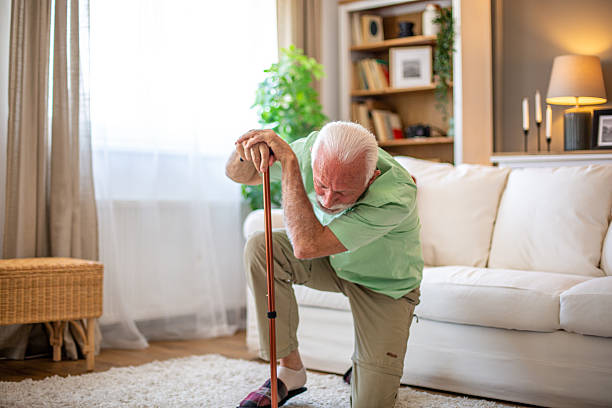
Effective fall-proofing begins with a clear picture of the person’s physical condition and daily challenges. This is where home healthcare plays an essential role. Nurses and therapists conduct structured risk assessments that examine balance, strength, medication interactions, and mobility patterns.
These professionals can spot warning signs that a family may overlook, such as subtle gait instability or medication-related dizziness. With a holistic evaluation, they can recommend tailored adjustments that align with the patient’s lifestyle rather than relying on generalized safety checklists.
Transforming High-Risk Areas Into Safe Zones
Every home contains spaces where hazards are more likely to arise, especially for seniors. Bathrooms, kitchens, hallways, and bedrooms can be modified to significantly reduce the risk of falls. Home healthcare providers help identify which rooms need immediate attention and guide families in selecting practical changes.
This may involve raising toilet seats, adding slip-resistant flooring, enhancing lighting, or reorganizing frequently used items so they are always within reach. The advantage of working with a healthcare professional is the precision of their recommendations: they evaluate the patient’s mobility equipment, living habits, and physical limitations to ensure every modification directly supports safer movement.
The Role of Assistive Devices in Promoting Stability
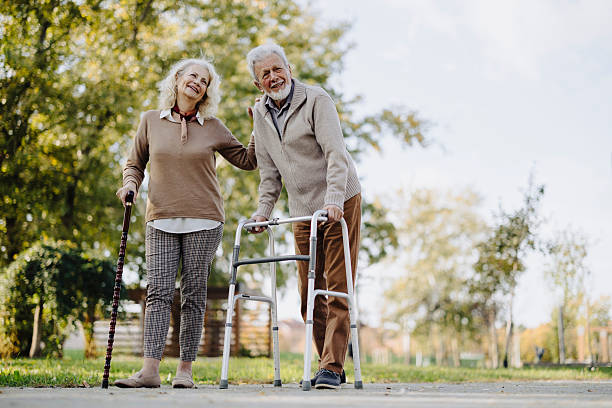
Many fall-related injuries stem from incorrect or inconsistent use of mobility aids. Home healthcare providers ensure older adults have devices that match their current condition. They offer hands-on training for walkers, canes, raised-arm chairs, and transfer aids, helping patients develop confidence and proper technique.
They can also reassess equipment over time as needs shift. Through regular home visits, they observe how devices are used in real-life settings, identify issues with fit or placement, and adjust them before they contribute to a fall.
Supporting Strength, Balance, and Mobility Through Therapy
Fall-proofing is not only about environmental adjustments. Physical and occupational therapists play a crucial role in strengthening the patient’s body to better prevent falls. Therapists design targeted exercise programs that improve balance, lower-body strength, and joint stability.
They also teach seniors how to navigate everyday tasks more safely, such as stepping out of bed, moving from sitting to standing, or entering the shower. Over time, these guided mobility routines build confidence and reduce the fear of falling, a major factor that often limits movement and leads to reduced physical capacity.
Medication Management and Its Impact on Fall Risk
Medications can contribute to dizziness, drowsiness, low blood pressure, or delayed reaction time. Home healthcare nurses review the patient’s prescriptions regularly to identify combinations that may increase fall risk.
They coordinate with physicians to adjust doses, recommend safer alternatives, or suggest timing changes that minimize side effects during active hours of the day. This level of oversight ensures that medication routines support the patient’s safety rather than jeopardize it.
Creating a Long-Term, Personalized Safety Plan
Fall-proofing is not a one-time project. As an individual ages, their strength, balance, eyesight, and coordination may change. Home healthcare providers help families maintain a long-term safety plan that evolves with these shifts. They reassess the home periodically, update exercise routines, monitor health conditions, and introduce new precautions when needed. This ongoing partnership provides reassurance for both the patient and their loved ones, as it ensures the home remains aligned with their current abilities.
Empowering Families Through Education and Collaboration
A major advantage of involving home healthcare professionals is the education they provide to caregivers and family members. They teach safe transfer techniques, demonstrate fall-prevention strategies, and explain how to recognize early signs of mobility decline. This collaborative approach builds a unified support system around the senior, ensuring everyone understands how to contribute to a safer home environment.
A Safer Home Begins With Expert-Guided Prevention
Fall-proofing is ultimately about strengthening independence and enhancing quality of life. With the support of home healthcare professionals, families gain access to skilled evaluations, tailored interventions, and ongoing monitoring that address both environmental and physical risk factors. By combining professional expertise with thoughtful home adjustments, older adults can continue living in familiar surroundings with greater security, comfort, and peace of mind.