
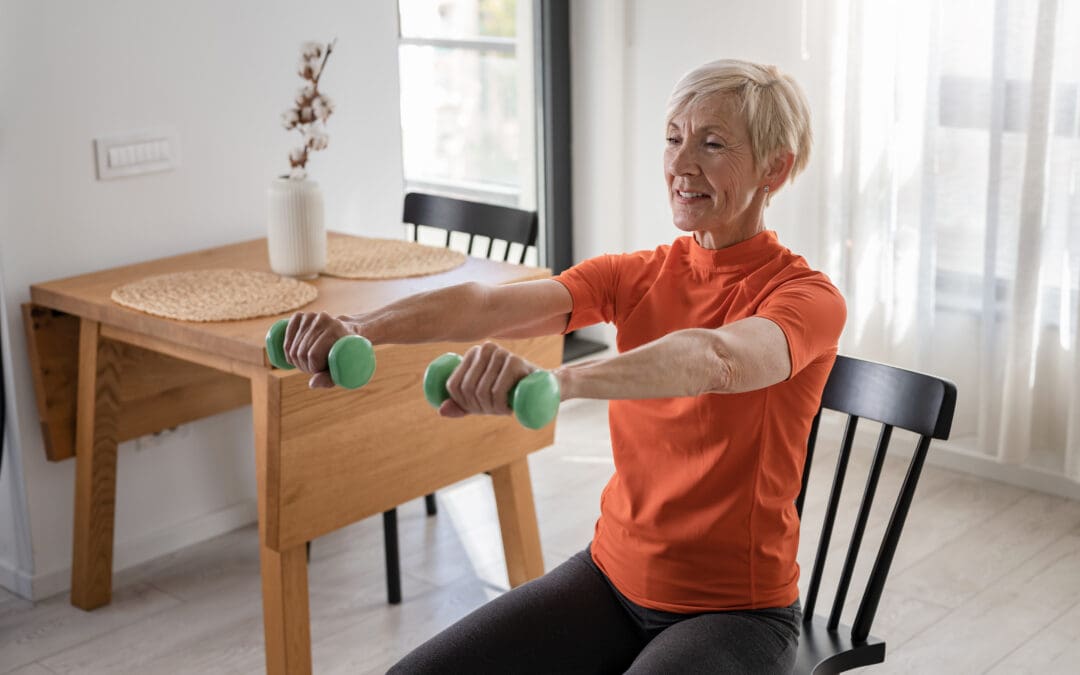
Remaining active is one of the cornerstones of healthy aging. Yet, many seniors face barriers that make physical activity feel difficult or even risky—chronic conditions, limited mobility, or fear of falling. Home healthcare bridges that gap by creating a safe and supportive environment where older adults are not only cared for but also encouraged to keep moving in ways that suit their abilities. The ultimate goal is to help seniors preserve independence while maintaining their quality of life.
Contents
- 1 Personalized Plans That Match Real Needs
- 2 Everyday Tasks Become Opportunities for Activity
- 3 Rehabilitation Without Leaving Home
- 4 Building Confidence Through Safety
- 5 Social and Emotional Encouragement
- 6 Preventing Decline and Supporting Longevity
- 7 Encouraging Healthy Routines Beyond Exercise
- 8 Conclusion: A Pathway to Independence and Joy
Personalized Plans That Match Real Needs
Unlike generalized exercise recommendations, home healthcare tailors activity to the individual. Nurses, therapists, and caregivers assess a senior’s unique health status, mobility level, and personal goals. From there, they design movement strategies that are safe yet challenging enough to improve strength, flexibility, and stamina. This customization ensures seniors aren’t pushed beyond their limits while still reaping the rewards of daily activity. For example, one person might work on walking unassisted down a hallway, while another might focus on stretching to ease joint stiffness.
Everyday Tasks Become Opportunities for Activity
Staying active doesn’t have to mean running laps or lifting heavy weights. For seniors, small actions add up. Home healthcare professionals often incorporate light physical activity into daily routines. Tasks such as preparing meals, tidying up, or even watering plants are transformed into valuable opportunities for movement. Caregivers guide seniors through these moments, ensuring tasks are safe and adapted to their abilities. This approach makes activity feel natural and achievable rather than forced or intimidating.
Rehabilitation Without Leaving Home
For seniors recovering from surgery, illness, or injury, home healthcare is a lifeline. Physical and occupational therapists can deliver targeted rehabilitation right at home, reducing the stress and fatigue of traveling to a clinic. Guided exercises help rebuild strength, restore mobility, and improve balance—all within the comfort of familiar surroundings. The convenience encourages consistency, and consistency is key to long-term recovery and improved activity levels.
Building Confidence Through Safety
A major reason seniors avoid physical activity is fear—fear of falling, fear of overexertion, or fear of pain. Home healthcare reduces that fear by providing supervision, adaptive equipment, and step-by-step guidance. Caregivers can introduce assistive devices such as grab bars, walkers, or adaptive footwear, while also teaching seniors how to move safely. Over time, this creates confidence, empowering seniors to engage in more activities independently without the constant worry of injury.
Social and Emotional Encouragement

Activity is not just physical; it is also social and emotional. Home healthcare workers often serve as motivators, offering encouragement that helps seniors stay engaged and optimistic. Some programs include group exercises via virtual sessions, while others emphasize companionship during walks or stretching routines. The encouragement of another person makes activity more enjoyable and less of a chore, helping seniors maintain momentum over the long term.
Preventing Decline and Supporting Longevity
Sedentary lifestyles can accelerate age-related decline, leading to muscle weakness, reduced flexibility, and a greater risk of chronic conditions. Home healthcare combats this by keeping seniors moving regularly, even if only in small increments. These efforts not only improve day-to-day function but also reduce hospital readmissions, support cardiovascular health, and slow cognitive decline. In this way, staying active through home healthcare is not just about the present—it’s an investment in healthier years ahead.
Encouraging Healthy Routines Beyond Exercise
Activity doesn’t exist in isolation. Home healthcare professionals also support seniors in adopting routines that complement physical movement, such as balanced nutrition, medication management, and adequate sleep. Together, these habits reinforce overall wellness. A senior who eats well, sleeps better, and takes medication correctly is more likely to have the energy and strength to stay active.
Conclusion: A Pathway to Independence and Joy
Home healthcare is far more than a support service—it is a partner in empowering seniors to remain active, engaged, and independent within the comfort of their own homes. By blending personalized care, safe routines, and emotional encouragement, it transforms everyday life into an environment that nurtures movement and vitality. For seniors and their families, this means not only maintaining physical health but also preserving dignity, independence, and joy in the later years of life.