
Successful home health care depends on strong communication among everyone involved. Home health nurses often serve as a vital link between patients, families, physicians, and other health professionals. Because nurses see patients in their everyday environment, they can observe changes that may not be obvious during an office visit and communicate those findings to the physician.
This collaboration helps keep care plans current, medications organized, symptoms monitored, and complications addressed early.
Contents
Following the Physician’s Plan of Care
Home health nursing usually begins with a physician or other qualified provider ordering services and establishing a plan for the patient’s care. The nurse then carries out the skilled nursing portions of that plan while monitoring how the patient responds.
During visits, a nurse may assess vital signs, provide wound care, administer or teach medication management, monitor chronic illnesses, or educate the patient and family. Medicare’s information about home health services explains that home health services can include medically necessary skilled nursing care, such as wound care, injections, patient education, and monitoring of serious or unstable health conditions.
The nurse documents each visit and reports meaningful developments to the physician. This creates an ongoing flow of information between visits.
Reporting Changes in a Patient’s Condition
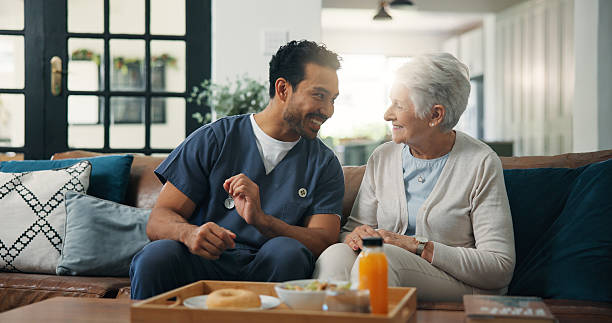
One of the most important responsibilities of a home health nurse is recognizing when a patient’s condition is changing. A nurse may notice increasing shortness of breath, swelling, confusion, unusual fatigue, elevated blood pressure, changes in a surgical wound, or difficulty managing medications.
When a significant change occurs, the nurse communicates with the physician’s office and provides specific clinical information. Depending on the situation, the physician may recommend closer monitoring, order testing, adjust medication, schedule an appointment, or direct the patient to urgent or emergency care.
Prompt communication is especially valuable after hospitalization or with complex chronic conditions. Identifying concerns early allows the care team to respond before a problem becomes more serious.
Supporting Medication Management
Medication regimens can become complicated when a patient has multiple prescriptions or sees several providers. Home health nurses help identify discrepancies, missed doses, side effects, and misunderstandings about how medications should be taken.
For example, a nurse may discover that a patient is taking an older prescription that was discontinued during a hospital stay. The nurse can contact the physician or appropriate provider to clarify the current medication list before changes are made.
This information sharing is part of effective care coordination. The Agency for Healthcare Research and Quality describes care coordination as deliberately organizing patient care activities and sharing information among those involved so care can be safer and more effective.
Communicating Progress and Additional Care Needs
Home health nurses do more than report problems. They also update physicians on progress. A wound may be healing as expected, pain may be improving, blood sugar levels may be stabilizing, or a patient may be becoming more confident with self-care.
These updates help physicians determine whether the current plan remains appropriate. If the patient’s needs change, the physician may issue new orders or revise the care plan.
Nurses may also identify needs involving mobility, speech, daily activities, nutrition, or social support. The care team may also coordinate physical therapy, occupational therapy, speech-language pathology, medical social services, or other resources.
Educating Patients and Families
Communication between nurses and physicians is only part of the process. Home health nurses also help patients and caregivers understand the physician’s instructions and apply them safely at home.
This may include teaching a family member how to recognize warning signs, explaining wound care, reviewing dietary recommendations, reinforcing medication instructions, or helping a patient understand when to call the home health agency, physician, or emergency services.
Because the nurse sees how the care plan works at home, education can be adapted to practical challenges the patient or caregiver is experiencing.
Creating a More Connected Care Experience
Effective home health care is a team effort. Physicians provide medical direction and make treatment decisions, while home health nurses contribute regular assessments, detailed observations, patient education, and timely updates from the home.
When communication is clear and consistent, everyone has a better understanding of the patient’s condition and goals. That coordination can support safer transitions from the hospital, more informed clinical decisions, and greater confidence for patients and families managing care at home.
For patients who need ongoing skilled support, the partnership between home health nurses and physicians helps turn a written care plan into responsive, day-to-day care centered on changing needs.