
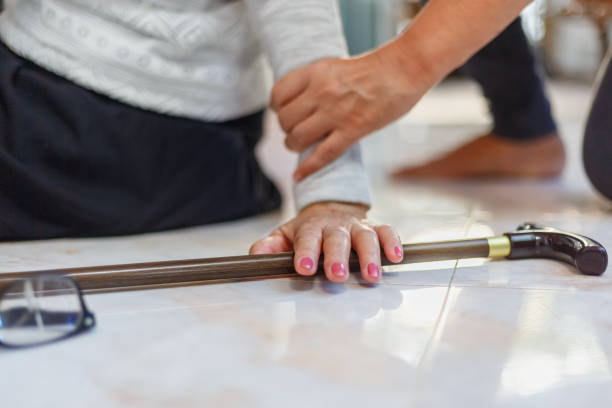
As the seasons change, so do the safety risks that older adults may face at home. Hot summer temperatures, freezing winter conditions, and severe storms can all create dangerous situations for seniors, especially those living alone or managing chronic health conditions. Preparing for seasonal hazards ahead of time can help reduce accidents, protect health, and provide greater peace of mind throughout the year.
Creating a safer home environment does not always require major renovations or expensive equipment. Small adjustments, good planning, and awareness of seasonal risks can make a significant difference in helping seniors remain safe, comfortable, and independent.
Contents
Staying Safe During Hot Weather
Extreme heat can be especially dangerous for older adults. Aging bodies often have a harder time regulating temperature, which increases the risk of heat exhaustion and heat stroke. Certain medications and medical conditions can also make seniors more sensitive to heat.
One of the most important safety measures during hot weather is staying hydrated. Seniors may not always feel thirsty even when their bodies need fluids, so drinking water regularly throughout the day is essential. Avoiding excessive caffeine and alcohol can also help prevent dehydration.
Keeping the home cool is another priority during the summer months. Air conditioning should be checked regularly to ensure it is functioning properly. If air conditioning is unavailable, using fans, closing curtains during the hottest parts of the day, and opening windows during cooler evenings may help maintain a safer indoor temperature.
Loose and lightweight clothing can help the body stay cool. Seniors should also avoid outdoor activities during peak afternoon heat and instead schedule errands or walks during the early morning or evening.
Family members and caregivers should check in regularly during heat waves. Even a short period of extreme heat can quickly become dangerous for vulnerable individuals.
Preventing Heat-Related Illnesses
Recognizing the warning signs of heat-related illnesses is critical. Symptoms such as dizziness, confusion, rapid heartbeat, headache, nausea, or unusual fatigue should never be ignored.
Seniors experiencing these symptoms should move to a cooler area immediately, drink water, and seek medical attention if symptoms worsen or do not improve quickly. Quick action can prevent more serious complications.
It is also helpful to create a simple emergency plan during the summer months. Keeping emergency contacts visible, having extra water available, and knowing where nearby cooling centers are located can improve safety during prolonged heat waves.
Winter Safety Tips for Seniors
Cold weather introduces a different set of risks for older adults. Slippery walkways, icy stairs, and freezing temperatures can increase the likelihood of falls and illness.
Inside the home, maintaining a comfortable indoor temperature is important. Seniors should ensure heating systems are working properly before winter begins and avoid using unsafe heating methods such as ovens or grills indoors.
Layered clothing helps retain body heat more effectively than a single heavy layer. Warm socks, sweaters, and blankets can help seniors stay comfortable without excessively increasing heating costs.
Carbon monoxide detectors and smoke alarms should also be checked regularly during colder months, especially when fireplaces or space heaters are used more frequently.
Reducing Fall Risks During Cold Weather
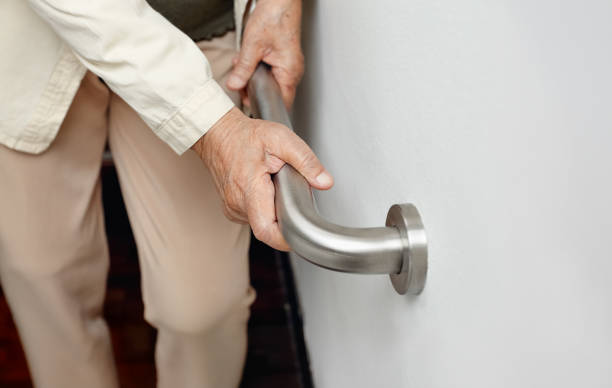
Falls are one of the leading causes of injury among seniors, and winter weather can make them even more common. Ice, snow, and wet surfaces can create hazardous conditions both inside and outside the home.
Walkways and driveways should be cleared promptly after storms. Using salt or sand can improve traction and reduce slipping hazards. Proper footwear with non-slip soles is also important during the winter months.
Inside the home, rugs should be secured, clutter should be minimized, and hallways should remain well-lit. Installing grab bars in bathrooms and handrails near stairs can provide additional support and stability.
Seniors should avoid rushing when moving through slippery areas. Taking extra time and using mobility aids when necessary can greatly reduce the chance of falls.
Preparing for Severe Storms
Storms can happen during any season, whether they involve heavy rain, strong winds, flooding, or power outages. Preparing in advance can help seniors remain safer during emergencies.
Every home should have an emergency kit that includes bottled water, nonperishable food, flashlights, extra batteries, medications, and a first aid kit. Important documents and emergency contact numbers should also be stored in an easily accessible location.
Power outages can be especially challenging for seniors who rely on medical equipment or refrigerated medications. Backup power options or alternative care plans should be discussed ahead of time whenever possible.
Weather alerts and emergency updates should be monitored regularly during severe weather conditions. Keeping a charged mobile phone nearby allows seniors to contact family members or emergency services if needed.
Creating a Year-Round Safety Routine
Seasonal safety becomes easier when it is part of a regular home maintenance routine. Checking smoke alarms, replacing batteries, inspecting heating and cooling systems, and reviewing emergency plans every few months can help identify potential problems early.
Seniors should also communicate openly with family members, caregivers, or neighbors about any concerns related to seasonal safety. A strong support system can assist with emergencies and help seniors feel more secure throughout the year.
Simple habits such as staying hydrated, dressing appropriately for the weather, and keeping pathways clear can have a lasting impact on overall health and safety.
Supporting Independence Through Preparation
Seasonal changes are unavoidable, but many weather-related risks can be managed with preparation and awareness. By taking proactive steps to address heat, cold, and storm safety, seniors can continue living comfortably and confidently at home.
A safer environment not only helps prevent injuries and emergencies but also supports greater independence and quality of life. With thoughtful planning and regular attention to home safety, seniors can navigate every season with greater confidence and peace of mind.