

Staying active becomes increasingly important with age, but many seniors struggle to find exercise routines that feel safe, manageable, and enjoyable. Physical therapists working in home healthcare understand this challenge well. That is why many home exercise programs are designed not only to improve strength and mobility, but also to fit comfortably into a senior’s daily lifestyle.
Rather than focusing on intense workouts, PT-approved home exercise routines prioritize gentle movement, consistency, and confidence-building. These exercises are carefully adapted to individual abilities and health conditions, helping seniors stay active while reducing the risk of injury or falls.
Contents
- 1 Why Home Exercise Programs Matter for Seniors
- 2 The Importance of PT-Approved Exercises
- 3 Chair Exercises Seniors Enjoy
- 4 Walking Programs That Build Confidence
- 5 Balance Exercises for Fall Prevention
- 6 Stretching Routines for Flexibility and Comfort
- 7 Strength Training Without Heavy Equipment
- 8 Making Exercise More Enjoyable
- 9 Supporting Long-Term Independence at Home
Why Home Exercise Programs Matter for Seniors
As people age, it is common to experience reduced muscle strength, balance issues, stiffness, and lower endurance. Without regular movement, these challenges can gradually interfere with daily tasks such as walking, standing up from a chair, climbing stairs, or carrying groceries.
Home exercise programs help address these concerns by encouraging safe and structured physical activity. Physical therapists often create customized plans that target specific goals, including improving mobility, increasing flexibility, restoring strength after illness or surgery, or maintaining independence at home.
One major advantage of home healthcare exercise programs is convenience. Seniors can exercise in familiar surroundings without the stress of traveling to a clinic or gym. This comfort often improves participation and consistency over time.
The Importance of PT-Approved Exercises
Not every exercise is appropriate for older adults, especially those managing chronic conditions such as arthritis, osteoporosis, heart disease, or balance disorders. Physical therapists evaluate a senior’s health status, mobility level, and personal limitations before recommending exercises.
PT-approved routines focus on movements that are low-impact, safe, and functional. They are designed to improve real-life abilities rather than athletic performance. Therapists also teach proper posture, breathing, and pacing techniques to reduce strain and discomfort.
Many seniors feel more motivated when exercises are tailored to their needs instead of following generic online workout videos that may feel overwhelming or unsafe.
Chair Exercises Seniors Enjoy
Chair-based exercises are among the most popular routines in home healthcare because they provide stability and reduce the fear of falling. These exercises allow seniors to strengthen muscles and improve circulation while remaining seated or using the chair for support.
Simple seated leg lifts help strengthen the thighs and hips, while seated marches encourage circulation and improve coordination. Arm raises and shoulder rolls can ease stiffness in the upper body, particularly for seniors who spend long periods sitting.
Because chair exercises are gentle and adaptable, they are often enjoyable for seniors recovering from surgery, managing joint pain, or rebuilding endurance after hospitalization.
Walking Programs That Build Confidence
Walking remains one of the best forms of exercise for older adults. It supports cardiovascular health, strengthens leg muscles, improves balance, and boosts mood.
Physical therapists frequently incorporate structured walking programs into home healthcare routines. These programs usually begin with short distances and gradually increase based on comfort and endurance.
Some seniors enjoy indoor walking routines using hallways or safe open spaces inside the home, especially during poor weather conditions. Others benefit from outdoor walks with caregivers or family members for added social interaction and motivation.
Walking programs can also help reduce feelings of isolation and encourage seniors to stay engaged with their surroundings.
Balance Exercises for Fall Prevention
Falls are one of the leading causes of injury among older adults. Improving balance is, therefore, a major focus in many home exercise programs.
PT-approved balance exercises are carefully supervised and often begin with simple movements while holding onto a sturdy surface. Standing heel-to-toe, side leg raises, and gentle weight shifts are common starting points.
These exercises help strengthen stabilizing muscles while improving coordination and body awareness. Over time, many seniors become more confident moving around their homes independently.
Balance training also supports safer performance of everyday activities such as getting out of bed, stepping into the shower, or reaching for household items.
Stretching Routines for Flexibility and Comfort
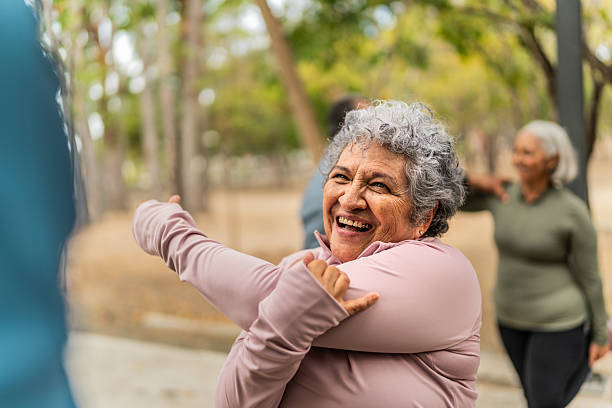
Stiff muscles and joints can make daily activities uncomfortable and frustrating. Gentle stretching routines help improve flexibility, reduce tension, and support easier movement throughout the day.
Physical therapists often recommend stretches for the neck, shoulders, back, hips, and calves. These stretches are usually slow and controlled, avoiding sudden or forceful movements.
Many seniors enjoy stretching because it provides immediate relief from stiffness and promotes relaxation. Stretching sessions may also improve posture and help reduce discomfort associated with arthritis or prolonged sitting.
Strength Training Without Heavy Equipment
Strength training is essential for maintaining independence, but many seniors assume it requires gym equipment or strenuous lifting. In home healthcare, therapists often use simple and accessible tools such as resistance bands, light hand weights, or even bodyweight exercises.
Sit-to-stand exercises are particularly effective because they strengthen the legs using movements seniors already perform daily. Wall push-ups and gentle resistance band exercises can improve upper body strength without placing excessive stress on joints.
These exercises help seniors maintain the strength needed for daily activities like carrying groceries, standing from chairs, and climbing stairs safely.
Making Exercise More Enjoyable
Consistency is easier when exercise feels enjoyable rather than intimidating. Physical therapists often encourage seniors to choose activities they genuinely like and to build routines around personal interests.
Some seniors enjoy listening to music while exercising, while others prefer exercising with family members or caregivers. Breaking routines into shorter sessions throughout the day can also make exercise feel less exhausting.
Positive encouragement plays an important role as well. Celebrating small improvements in strength, mobility, or endurance can help seniors stay motivated and confident in their progress.
Supporting Long-Term Independence at Home
The ultimate goal of home exercise programs is not simply physical fitness. These routines are designed to help seniors remain independent, safe, and active in their own homes for as long as possible.
PT-approved exercises provide structure, guidance, and reassurance for seniors who may otherwise feel uncertain about physical activity. With consistent participation, many older adults experience improved strength, better balance, reduced pain, and greater confidence in daily life.
Home healthcare exercise programs show that staying active does not require complicated equipment or intense workouts. Sometimes, the most effective routines are the simple, personalized movements that seniors genuinely enjoy and feel comfortable doing every day.