

Hospital readmissions are a major concern for older adults, individuals recovering from surgery, and those managing chronic health conditions. A readmission occurs when a patient returns to the hospital shortly after being discharged, often within 30 days. In many cases, these returns are linked to complications that could have been prevented with better follow-up care and support at home.
Transitions from hospital to home can be difficult. Patients may leave the hospital with new medications, dietary restrictions, mobility limitations, or complex recovery instructions. Without proper assistance, it becomes easier to miss medication schedules, overlook warning signs, or struggle with daily tasks that affect recovery.
Home health care has become an important part of reducing these risks. By providing professional medical support in a familiar home environment, home health services help bridge the gap between hospital discharge and long-term recovery.
Contents
How Home Health Care Supports Recovery
Home health care focuses on helping individuals recover safely while remaining in their own homes. Services are typically provided by licensed nurses, therapists, and trained caregivers who monitor the patient’s condition and assist with care needs.
One of the biggest advantages of home health care is personalized attention. Unlike hospital settings, where staff manage multiple patients at once, home visits allow healthcare professionals to focus entirely on the individual’s specific recovery plan.
Nurses may monitor vital signs, inspect wounds, manage medications, and educate patients about symptoms that require medical attention. Therapists can guide patients through exercises that improve strength, mobility, and independence. This level of oversight helps identify problems early before they develop into emergencies requiring hospitalization.
Patients recovering from illnesses such as pneumonia, heart failure, stroke, or surgery often benefit from consistent home monitoring because complications can appear gradually. Having professionals regularly evaluate progress provides an extra layer of safety during recovery.
Medication Management Reduces Complications
Medication errors are one of the leading causes of preventable hospital readmissions. After discharge, many patients are prescribed several medications with different schedules, dosages, and instructions. Managing these medications alone can become confusing, especially for older adults or individuals with memory challenges.
Home health professionals help ensure medications are taken correctly and safely. Nurses may review prescriptions, explain instructions clearly, and identify possible side effects or dangerous interactions. They also communicate with physicians if concerns arise.
This support reduces the likelihood of missed doses, accidental overuse, or incorrect medication timing. Proper medication management is especially important for patients with diabetes, heart disease, respiratory conditions, or infections requiring antibiotics.
By helping patients stay consistent with treatment plans, home health care lowers the risk of setbacks that could lead to another hospital stay.
Early Detection of Health Changes
Many hospital readmissions occur because symptoms worsen unnoticed at home. A small change in breathing, swelling, blood pressure, appetite, or mobility can quickly become serious if ignored.
Home health providers are trained to recognize these early warning signs. During routine visits, they monitor physical and cognitive changes that family members may not immediately notice. Catching issues early allows healthcare teams to intervene before the condition becomes severe.
For example, a nurse visiting a patient recovering from heart failure may notice increased swelling in the legs or sudden weight gain, both of which could indicate fluid retention. Addressing the problem early through medication adjustments or physician consultation may prevent hospitalization.
This proactive approach allows patients to receive timely care while avoiding unnecessary emergency room visits.
Education Helps Patients Manage Their Health
Patients are more likely to avoid readmission when they understand how to manage their condition after leaving the hospital. However, discharge instructions are often overwhelming, especially after a stressful hospital stay.
Home health care reinforces education in a more practical and personal setting. Professionals can explain instructions slowly, answer questions, and demonstrate proper techniques directly in the home environment.
Patients may learn how to monitor blood sugar levels, follow dietary guidelines, use medical equipment, or safely move around the house during recovery. Caregivers and family members also receive guidance so they can better support the patient’s needs.
This education empowers individuals to take a more active role in their recovery while reducing confusion that can lead to complications.
Support for Daily Living and Mobility
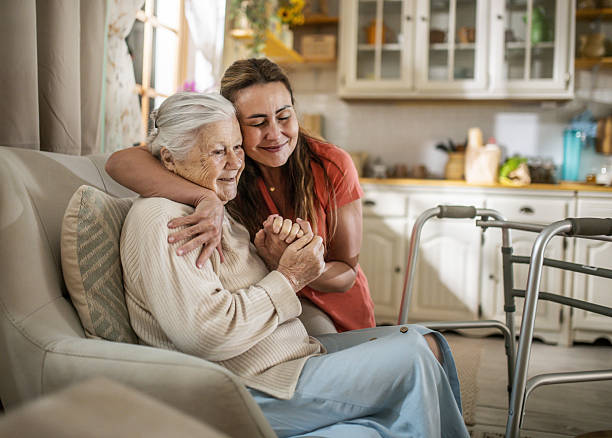
Some patients return to the hospital because they struggle with basic daily activities after discharge. Difficulty bathing, walking, preparing meals, or getting to follow-up appointments can interfere with healing.
Home health services often include assistance with mobility and daily routines. Physical and occupational therapists help patients regain strength and adapt to physical limitations safely. They may recommend exercises, home modifications, or assistive devices that reduce fall risks and improve independence.
Preventing falls is especially important because injuries from falls commonly result in emergency hospitalization among older adults. A safer home environment combined with rehabilitation support can significantly improve recovery outcomes.
When patients feel physically supported at home, they are more likely to continue healing successfully without interruption.
Emotional Well-Being Also Affects Recovery
Recovery is not only physical. Emotional health also plays a major role in preventing hospital readmissions. Many patients experience anxiety, loneliness, or depression after returning home, particularly after serious illness or surgery.
Home health care provides regular social interaction and reassurance during recovery. Having trusted professionals visit consistently can reduce feelings of isolation and improve emotional stability. Patients often feel more confident knowing someone is monitoring their progress and available to answer concerns.
Reduced stress and improved emotional well-being can positively affect sleep, appetite, motivation, and overall health management, all of which contribute to a smoother recovery process.
The Long-Term Benefits of Home Health Care
Reducing hospital readmissions benefits both patients and healthcare systems. Patients are able to recover in a more comfortable environment while avoiding the stress and risks associated with repeated hospital stays. Families also gain peace of mind knowing their loved one is receiving professional oversight at home.
For healthcare providers, fewer readmissions often mean improved patient outcomes and lower healthcare costs. As the demand for patient-centered care continues to grow, home health services are becoming an increasingly valuable part of the recovery process.
While not every hospitalization can be prevented, consistent monitoring, education, therapy, and support at home can significantly reduce avoidable returns to the hospital. Home health care creates a safer transition from hospital to home and helps individuals recover with greater confidence, stability, and independence.