

BLOG
Most Popular Posts
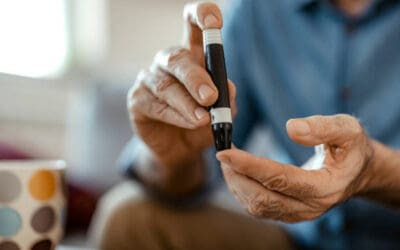
In-Home Diabetes Management: Monitoring, Meals, and Meds
For people living with diabetes, consistent care is crucial. While clinic visits play a vital role, much of diabetes management happens at home. The way you monitor your blood sugar, prepare your meals, and take your medications daily directly influences your long-term health. With the right approach, in-home care can help prevent complications, maintain stable glucose levels, and promote a better quality of life.
Palliative and Hospice Support at Home: When Comfort Matters Most
When serious illness shifts the focus from curing to caring, many families find themselves navigating difficult decisions about end-of-life support. Palliative and hospice care at home offer compassionate, patient-centered solutions that prioritize comfort, dignity, and quality of life. Rather than seeing these services as giving up, they can be a profound way to honor a person’s final chapter with care that meets both physical and emotional needs.
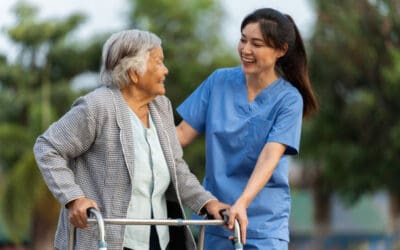
What Is the Role of a Home Health Nurse vs. a Caregiver?
When it comes to providing in-home support for individuals who are elderly, recovering from surgery, or living with chronic illness, two roles are often considered essential: the home health nurse and the caregiver. While their responsibilities may seem similar at first glance, these professionals offer different types of care. Understanding their distinctions helps families make informed decisions about the right kind of support for their loved ones.

How to Talk to a Loved One Showing Signs of Dementia
Dementia is not only a medical condition—it is also an emotional journey for the individual and their family. When someone you love begins to show signs of memory loss, confusion, or changes in behavior, communication becomes both more important and more challenging. Knowing how to talk to a loved one showing signs of dementia can make the difference between building trust and unintentionally causing frustration.

The Vital Connection Between Physical Health and Emotional Wellness in Seniors at Home
As people age, maintaining a balance between body and mind becomes increasingly important. For seniors who spend much of their time at home, physical health and emotional wellness are deeply intertwined, each influencing the other in ways that can shape overall quality of life. While exercise, diet, and medical care are often emphasized, the emotional side of well-being deserves equal attention. When nurtured together, physical vitality and emotional resilience can create a more fulfilling and independent lifestyle for older adults.

Home Healthcare Essentials: A Practical Guide Before You Begin
Home healthcare has become an increasingly popular choice for families who want to ensure comfort, dignity, and medical support without the stress of moving into a facility. Whether you’re caring for an aging parent, a loved one recovering from surgery, or someone managing chronic illness, stepping into the world of home healthcare requires preparation and informed decision-making. Understanding the essentials beforehand can make the journey smoother for both patients and caregivers.
A Day in the Life of a Home Health Nurse
The day of a home health nurse begins earlier than most. Unlike hospital-based nurses who report to a single location, home health nurses spend much of their day traveling between patients’ homes. Mornings often start with reviewing patient charts, updating care plans, and preparing the supplies needed for the day’s visits. This preparation is essential because once they are on the road, efficiency and readiness are key to providing safe and timely care.

Post-Stroke Home Care: Tips for Safe Recovery at Home
Recovering from a stroke is a journey that extends beyond the hospital. For many patients, the transition to home care marks a critical stage in their rehabilitation. The home environment plays a powerful role in promoting safety, comfort, and independence, but it must be thoughtfully prepared to reduce risks and support healing. Families and caregivers are often at the forefront of this process, ensuring that patients regain confidence in their daily lives.
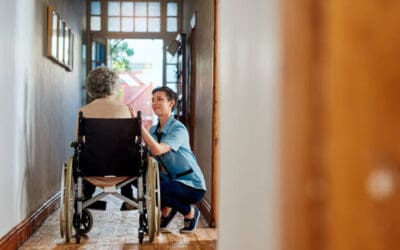
How Home Health Care Supports Heart Disease Management
Heart disease remains one of the leading causes of death worldwide, particularly among aging populations. Managing this chronic condition involves more than hospital visits and prescriptions—it requires a consistent, personalized approach to care that accounts for daily habits, vital signs, medications, and emotional well-being. For many individuals, especially seniors and those with mobility limitations, home health care offers a critical bridge between clinical treatment and everyday life.

Recognizing Early Signs of Infection in Seniors at Home
As seniors age, their immune systems naturally weaken, making them more susceptible to infections. For those receiving in-home care, early detection can be the key to preventing serious complications or hospitalization. However, symptoms in older adults often present differently than in younger individuals. Family members and caregivers must be vigilant in recognizing these subtle signs to ensure timely medical attention.